Seoul has established itself as a global leader in laser dermatology, combining advanced technology with competitive pricing and highly trained specialists. International patients consistently report satisfaction rates exceeding 90% for laser treatments performed in Korea’s modern dermatology clinics. This comprehensive review examines what makes Seoul’s skin laser treatments stand out, covering real patient experiences, procedures, costs, and practical considerations for medical tourists. For more on this topic, see /p>a notable Seoul provider.
Korean dermatologists pioneering laser innovations have contributed significantly to PubMed-indexed research, particularly in fractional CO2 lasers for acne scarring and pigmentation treatment protocols suited for Asian and Caucasian skin types alike. Understanding these offerings helps international patients make informed decisions about their aesthetic treatments in Seoul. Read about about best dermatologist in seoul.seoul complete.this dermatology clinic.
Why International Patients Choose Seoul for Laser Treatments
Seoul’s dermatology clinics perform over 500,000 laser procedures annually on international patients, with significant growth from English-speaking countries. The city’s reputation stems from several concrete advantages that directly impact treatment outcomes and patient satisfaction. For more on this topic, see /p>Seoul Clinic.
Korean dermatologists undergo rigorous training certified by the Korean Association of Medical Specialists (KAMS), requiring four additional years of dermatology specialization beyond medical school. Many leading practitioners hold dual certifications from both Korean and international boards, ensuring familiarity with diverse skin types and international safety standards. Related: /p>
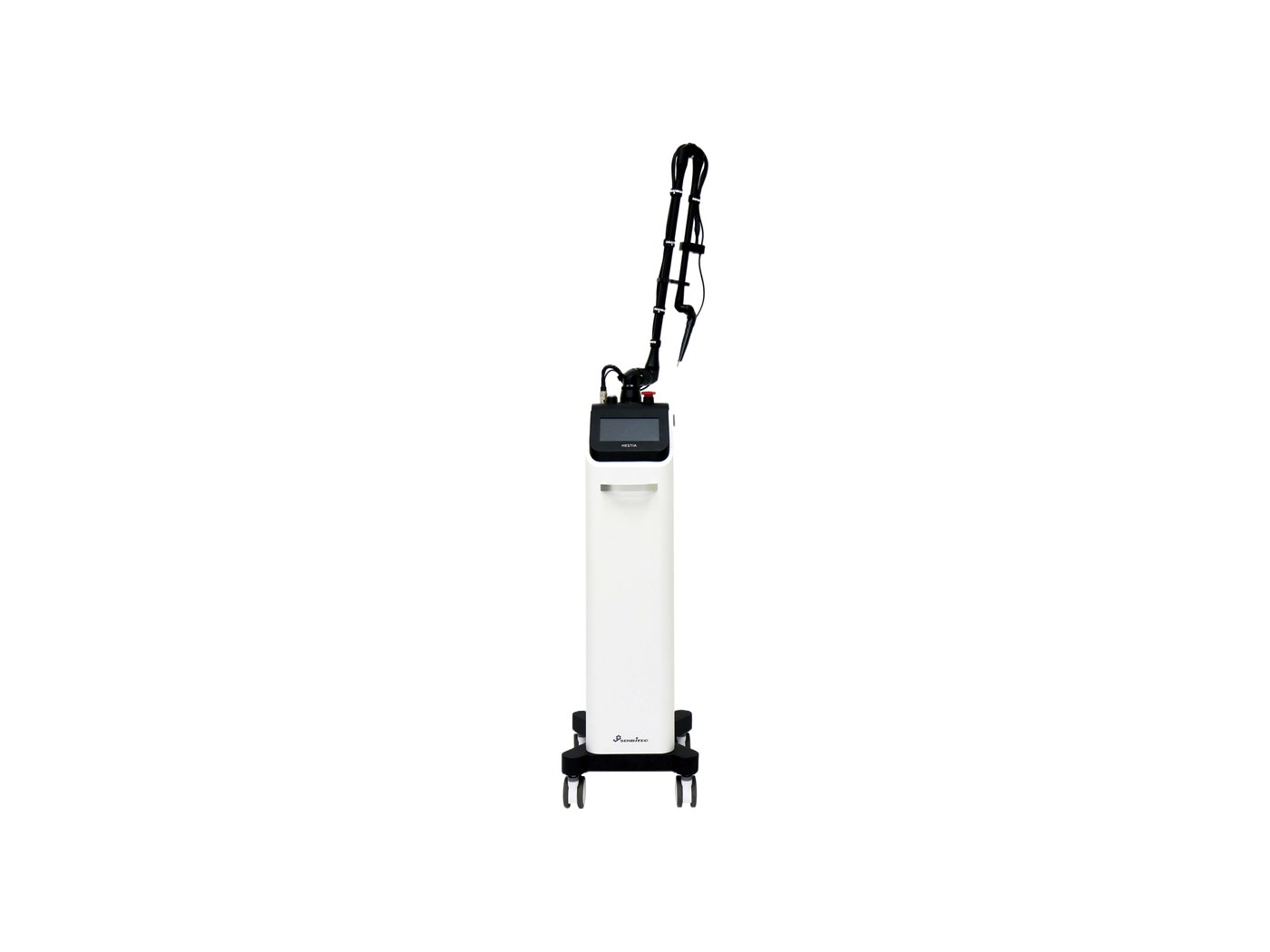
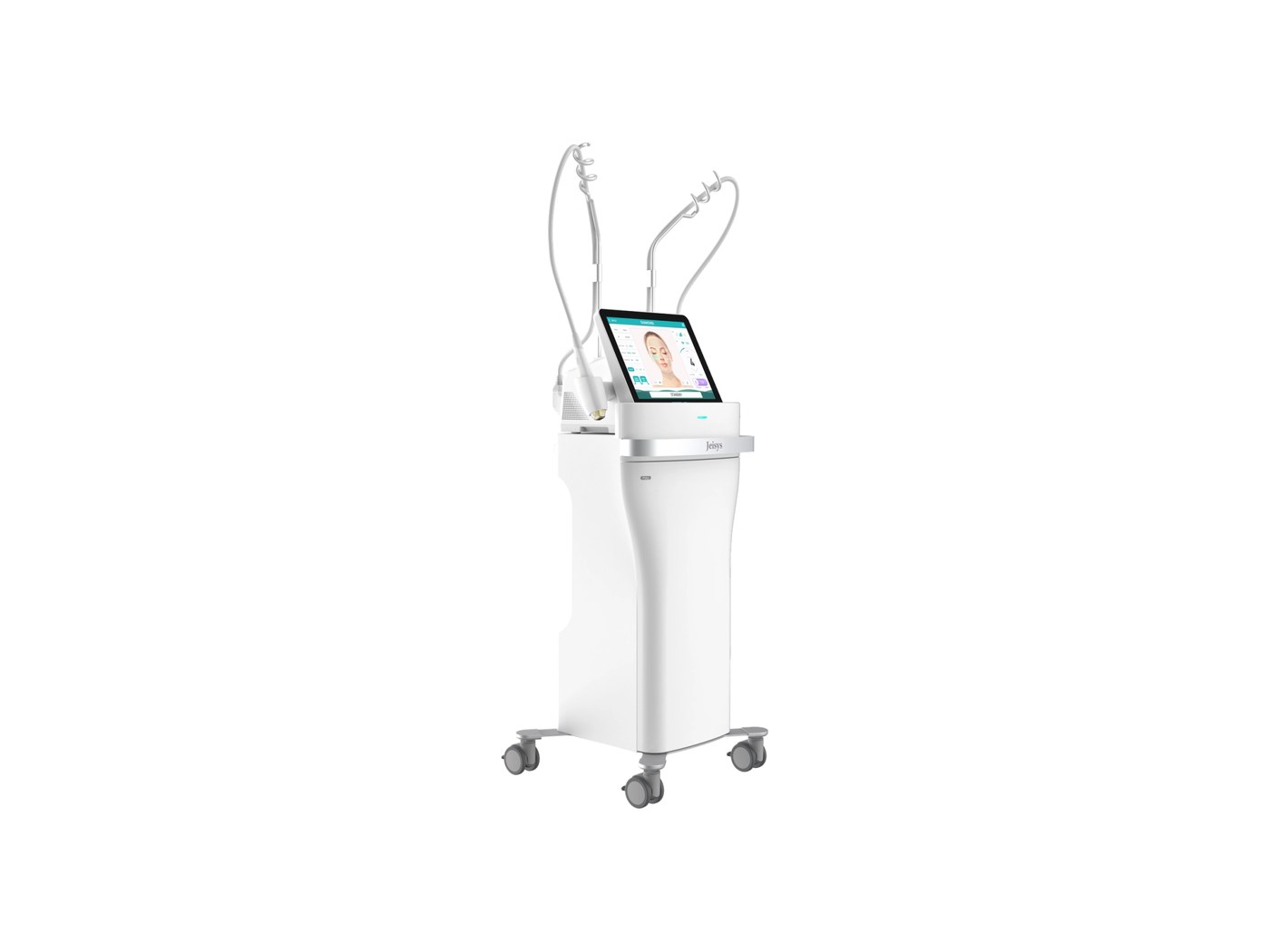
Technology adoption in Seoul outpaces most Western markets by 18-24 months. Clinics in Gangnam and Apgujeong districts frequently acquire FDA-approved and KFDA-certified laser systems before widespread Western availability. This includes the latest fractional lasers, picosecond devices, and combination platforms that deliver superior results with reduced downtime.
Cost efficiency represents another compelling factor. Laser treatments in Seoul typically cost 40-60% less than equivalent procedures in the US, UK, or Australia, even when factoring in travel expenses. A full-face fractional CO2 laser treatment ranges from $300-600 in Seoul compared to $1,500-3,000 in major Western cities.
The concentration of expertise matters significantly. Gangnam alone houses over 600 dermatology clinics, creating competitive pressure that drives quality improvements and specialization. This density allows patients to access true specialists who perform specific laser procedures daily rather than general practitioners offering occasional treatments.
Most Popular Laser Treatments and Patient Reviews
Fractional CO2 Laser Resurfacing
This treatment dominates international patient bookings for acne scarring, wrinkles, and texture improvement. Korean clinics utilize advanced fractional CO2 systems that create microscopic treatment zones, preserving surrounding tissue for faster healing. Research published in PubMed demonstrates fractional CO2 lasers achieve 50-70% improvement in atrophic acne scars after 3-4 sessions.
Patient reviews consistently highlight shorter downtime compared to Western experiences—typically 5-7 days versus 10-14 days. Korean protocols emphasize aggressive cooling, specialized post-treatment serums, and detailed aftercare instructions that minimize complications. Most international patients report visible improvements within three weeks, with optimal results at three months.
Picosecond Laser for Pigmentation
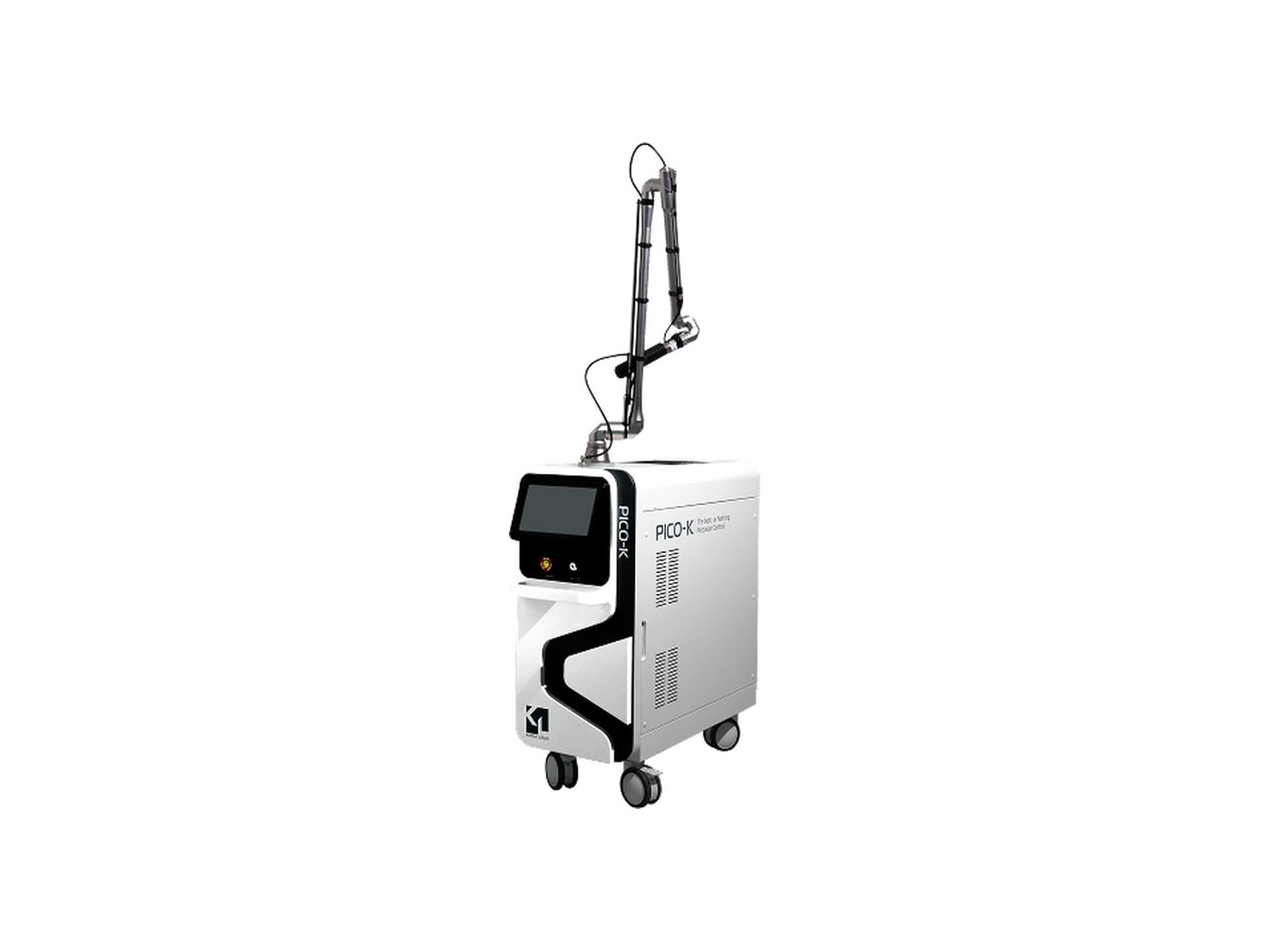
Seoul’s clinics excel in treating melasma, sunspots, and post-inflammatory hyperpigmentation using picosecond technology. These ultra-short pulse lasers shatter pigment particles more effectively than traditional Q-switched lasers while reducing thermal damage.
International patients with Fitzpatrick skin types III-V particularly praise Korean dermatologists’ expertise in avoiding post-inflammatory hyperpigmentation, a common complication when treating darker skin tones. Reviews indicate 70-80% of patients achieve significant pigmentation reduction after 4-6 sessions spaced three weeks apart.
Vascular Laser Treatments
For redness, rosacea, and visible blood vessels, Seoul clinics offer advanced vascular lasers including long-pulse Nd:YAG and KTP systems. Patients report effective treatment of facial flushing and telangiectasia with minimal bruising—a testament to operator skill and appropriate device settings for different skin types.
Laser Hair Removal
While less commonly sought by medical tourists, Korean clinics provide diode and alexandrite laser hair removal at approximately one-third of Western prices. Multiple patient reviews emphasize gentle treatment and effective results across various hair colors and skin types.
What to Expect: Process and Patient Experience
Understanding the treatment journey helps international patients prepare adequately and set realistic expectations for their Seoul laser experience.
Pre-Treatment Consultation
Most reputable clinics offer video consultations before arrival, allowing dermatologists to assess skin concerns and recommend appropriate laser protocols. Clinics registered with Korea’s Ministry of Health and Welfare (MOHW) provide these consultations through licensed medical staff, ensuring accurate treatment planning.
Upon arrival, in-person consultations typically last 20-30 minutes. Dermatologists use advanced imaging systems like VISIA Skin Analysis to document baseline conditions and identify underlying pigmentation invisible to the naked eye. This technology-driven approach enables precise treatment customization and objective progress tracking.
Treatment Day Protocols
Korean clinics prioritize patient comfort through generous topical anesthetic application—usually 30-45 minutes before laser treatment compared to 15-20 minutes common elsewhere. Treatment rooms maintain strict hygiene standards, with single-use consumables and thorough equipment sterilization between patients. Read about dermatology clinic.
Procedures progress efficiently, with most single-area treatments completed within 20-40 minutes. Staff typically speak functional English, though translators are available at international patient-focused clinics. Post-treatment cooling and mask applications immediately follow laser procedures, minimizing discomfort and inflammation.
Aftercare and Follow-Up
Seoul clinics excel in comprehensive aftercare provision. Patients receive detailed written instructions in English, prescribed post-treatment products, and scheduled follow-up appointments or virtual check-ins. Many clinics include LED light therapy or healing lasers in treatment packages to accelerate recovery.
International patients appreciate the availability of 24/7 messaging support through KakaoTalk or WhatsApp for post-treatment questions. This accessibility significantly reduces anxiety and ensures prompt management of any concerns.
Costs, Clinic Selection, and Safety Considerations
Transparent Pricing Structure
Seoul’s dermatology market operates with relatively standardized pricing tiers. Budget clinics charge $150-300 per laser session, mid-range facilities $300-600, and premium clinics $600-1,200. Price variations reflect equipment quality, dermatologist experience, clinic location, and included aftercare services rather than treatment efficacy alone. Read about Dermatology In Seoul.
Package deals offer better value—purchasing 3-5 sessions upfront typically reduces per-session costs by 15-25%. Most clinics provide detailed quotes via email within 24 hours, itemizing all costs including consultation fees, anesthetics, aftercare products, and follow-up appointments.
Choosing Reputable Clinics
Verification of credentials protects international patients from substandard care. Prioritize clinics where treating dermatologists hold KAMS board certification, verifiable through the association’s online registry. MOHW registration ensures facilities meet government hygiene and safety standards.
Gangnam and Apgujeong districts concentrate high-quality clinics accustomed to international patients, but excellent options exist throughout Seoul. Patient reviews on independent platforms provide valuable insights, though extremely cheap pricing often signals inexperienced operators or outdated equipment. Read about main resource.
Consultation quality indicators include thorough skin analysis, realistic outcome expectations, discussion of potential complications, and refusal to treat unsuitable candidates. Reputable dermatologists turn away patients when laser treatment isn’t appropriate—a sign of ethical practice. Many also explore /p>
Safety Standards and Risk Management
Korean medical facilities follow strict safety protocols enforced by regular MOHW inspections. All laser devices must carry KFDA approval, equivalent to FDA clearance in the United States. Clinics maintain detailed treatment records and adverse event reporting systems. Read about topdermatologyclinickorea.com.
Complication rates for laser procedures in accredited Seoul clinics remain below 2%, primarily consisting of minor issues like temporary hyperpigmentation or prolonged redness. Serious complications are rare when patients follow pre-treatment instructions, such as avoiding sun exposure and discontinuing certain medications.
Insurance and Documentation
Cosmetic laser treatments aren’t covered by international health insurance, but patients should verify their travel insurance includes medical complication coverage. Request detailed receipts and treatment records for personal documentation and potential FSA/HSA reimbursement claims in your home country.
Frequently Asked Questions
How many laser sessions will I need in Seoul?
Most conditions require 3-6 sessions spaced 3-4 weeks apart for optimal results. Some patients schedule multiple sessions during a 2-3 week trip, though spacing treatments appropriately produces better outcomes. Your dermatologist will create a personalized timeline during consultation.
Is it safe to fly after laser treatment?
Yes, flying is generally safe 24-48 hours post-treatment for most laser procedures. Ensure adequate moisturization and sun protection during travel. Avoid flying immediately after aggressive resurfacing procedures; plan 5-7 days recovery before international flights.
Do Korean dermatologists understand different skin types?
Leading Seoul dermatologists regularly treat international patients across all Fitzpatrick skin types. Many have trained or practiced internationally and understand ethnic skin variations. Always discuss your skin type and previous reactions during consultation.
Can I combine laser treatment with other procedures?
Yes, many patients combine laser treatments with injectables, threads, or skincare treatments during their Seoul visit. Dermatologists can recommend safe combinations and optimal sequencing. Some procedures require spacing of 2-4 weeks between treatments.</p