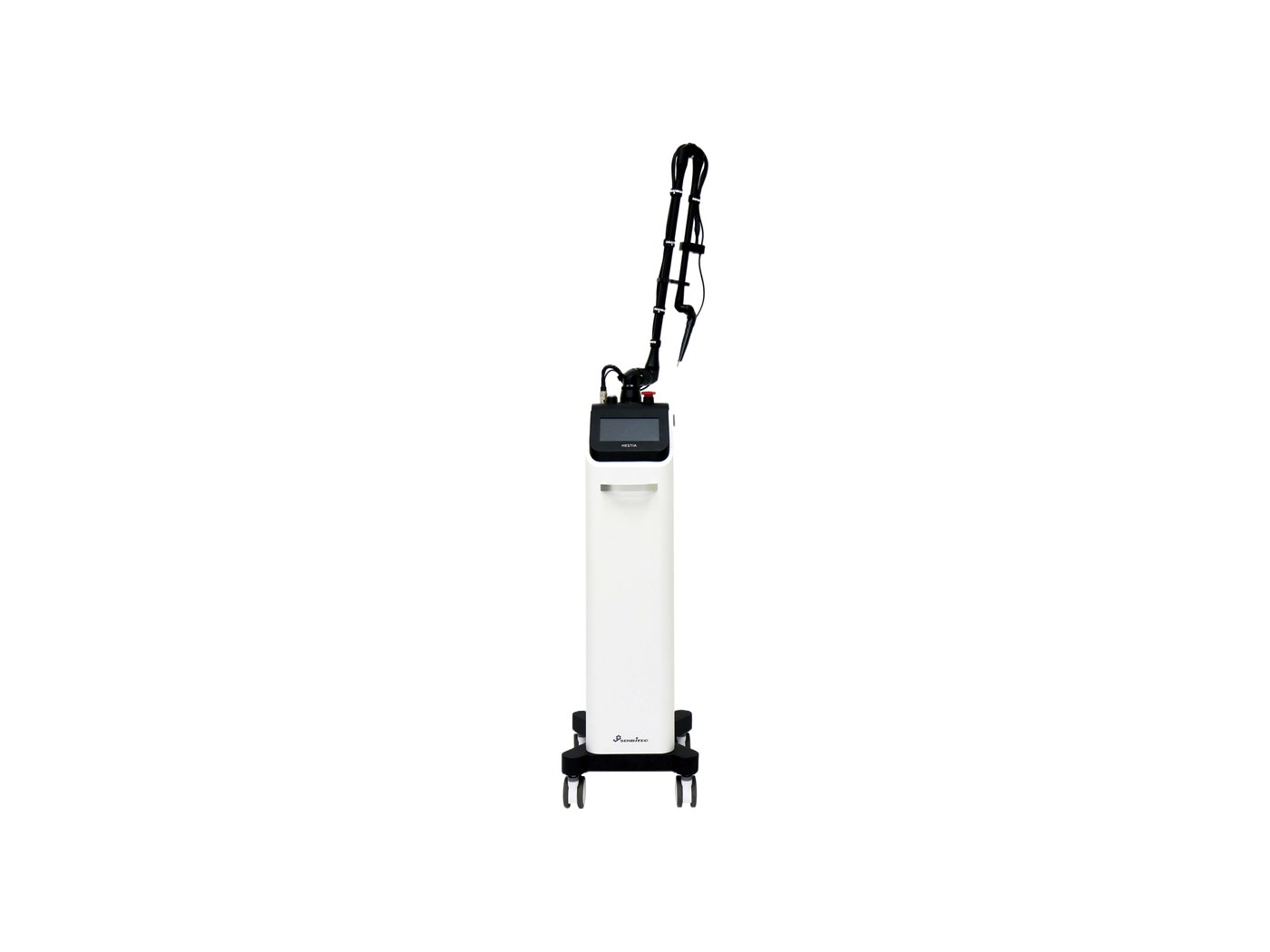
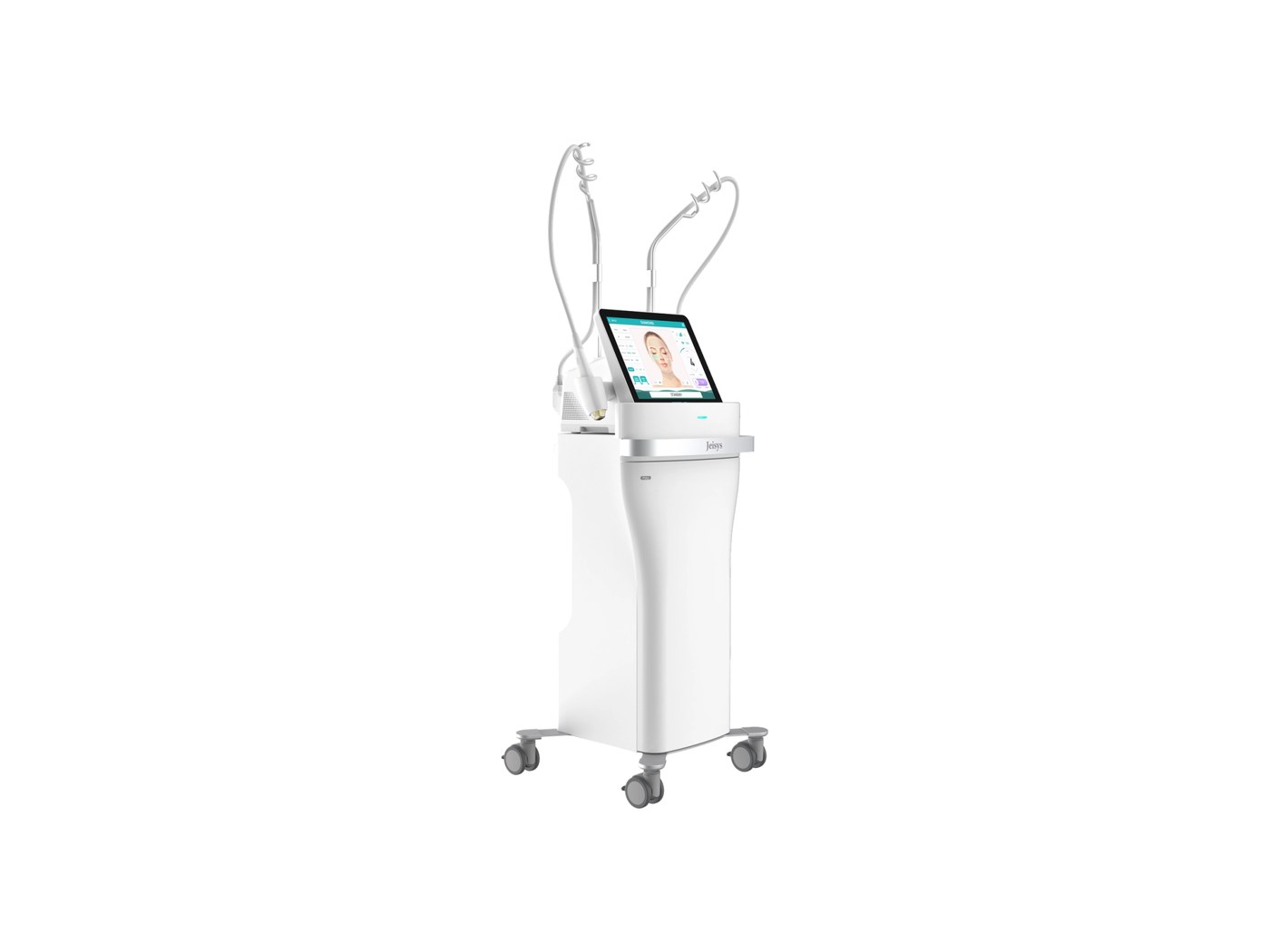
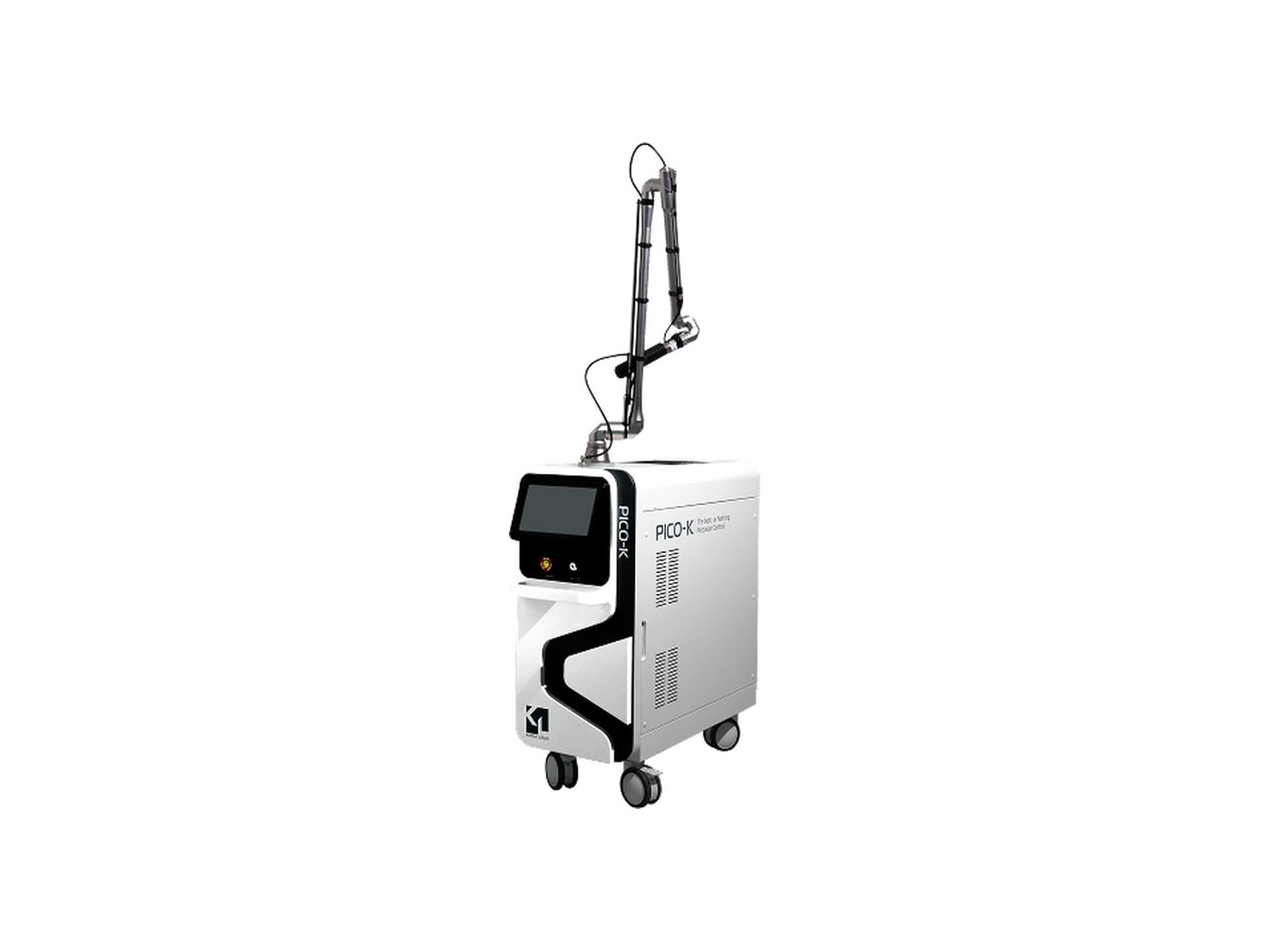
Seoul has emerged as a global leader in laser skin treatments, combining advanced technology with competitive pricing that attracts thousands of international patients annually. Korean dermatologists pioneered many modern laser techniques, and the city’s concentration of experienced clinics—particularly in Gangnam and Apgujeong—offers foreigners access to treatments often unavailable or significantly more expensive in Western countries. For more on this topic, see /p>Gangnam Dermatology Seoul.
This guide provides essential information for English-speaking patients considering laser skin procedures in Seoul, from treatment options and costs to navigating language barriers and ensuring safe, effective results. Related: /p>seoul before.
Why Choose Seoul for Laser Skin Treatments
Korean dermatology clinics invest heavily in the latest FDA-approved and KFDA-certified laser technologies. Many Seoul practitioners have trained internationally and publish research in peer-reviewed journals, contributing to the evidence base for laser dermatology. A study in the Journal of Cosmetic and Laser Therapy demonstrated that fractional CO2 lasers, widely used in Korean clinics, significantly improve skin texture and reduce wrinkle depth with minimal downtime.SLS.this Gangnam clinic.
The competitive medical tourism market means Seoul clinics maintain rigorous safety standards to attract international clientele. The Ministry of Health and Welfare (MOHW) regulates medical facilities, while many dermatologists hold certifications from the Korean Association of Medical Aesthetics (KAMS) or equivalent international boards. English-speaking staff and standardized pricing for foreigners have become industry norms in major aesthetic districts. See also: /p>
Cost advantages remain substantial. Laser treatments in Seoul typically cost 40-70% less than equivalent procedures in the US, UK, or Australia. A full-face fractional laser resurfacing ranges from $300-800 in Seoul versus $1,500-3,000 in Western countries. The quality-to-price ratio, combined with Seoul’s accessibility and medical infrastructure, drives the city’s reputation as a premier destination for cosmetic dermatology.
Common Laser Treatments for Foreign Patients
Korean clinics offer comprehensive laser options tailored to various skin concerns and types. Understanding the most popular treatments helps foreigners make informed decisions.
Pigmentation and Tone Correction
Picosecond lasers and Q-switched Nd:YAG lasers effectively treat melasma, age spots, and post-inflammatory hyperpigmentation. Korean dermatologists have refined protocols for Asian and darker skin tones, minimizing hyperpigmentation risks. Treatment protocols typically involve 3-5 sessions spaced 4-6 weeks apart. Research published in Lasers in Medical Science confirms picosecond technology delivers superior pigment clearance with fewer complications compared to traditional nanosecond lasers.
Acne Scars and Texture Improvement
Fractional CO2 lasers and erbium lasers resurface skin to reduce acne scarring, large pores, and uneven texture. Seoul clinics often combine laser treatments with microneedling or PRP therapy for enhanced results. Most patients require 2-4 sessions, with visible improvement after the first treatment. Downtime ranges from 3-7 days depending on intensity settings.
Vascular Lesions and Redness
IPL (Intense Pulsed Light) and pulsed dye lasers target rosacea, broken capillaries, and general redness. These treatments require minimal downtime and show cumulative benefits over 3-5 sessions. Korean practitioners excel at adjusting parameters for different skin types, crucial for safe treatment of diverse patient populations. Read about seoul skin clinic guide.
Skin Tightening and Rejuvenation
Non-ablative lasers like Nd:YAG 1064nm stimulate collagen production for subtle lifting and firming. Seoul clinics frequently offer combination treatments pairing lasers with ultrasound technology for comprehensive facial rejuvenation. Results develop gradually over 2-3 months as new collagen forms.
Choosing the Right Clinic in Seoul
Seoul hosts hundreds of dermatology clinics, but selecting the appropriate facility requires research beyond flashy marketing materials. Read about complete gangnam skin clinic guide.botox injection korea.
Credentials and Specialization: Verify the dermatologist is board-certified through the Korean Dermatological Association and check their experience with laser treatments specifically. Clinics should display MOHW licensing and use KFDA-approved or internationally certified devices. Specialized dermatology clinics generally provide better outcomes than multi-purpose cosmetic surgery centers.
English Communication: Top clinics in Gangnam, Apgujeong, and Myeongdong employ English-speaking coordinators and doctors. Request a consultation in English before committing—communication clarity directly impacts treatment safety and satisfaction. Many clinics offer virtual consultations for overseas planning.
Technology and Equipment: Ask which specific laser brand and model will be used. Premium clinics invest in devices from recognized manufacturers like Cutera, Candela, or Lutronic (Korean-made, internationally respected). Equipment age matters—newer-generation lasers offer better safety profiles and results.
Transparent Pricing: Reputable clinics provide itemized quotes in writing. Be cautious of prices significantly below market averages, which may indicate inexperienced practitioners or outdated equipment. Standard pricing should include consultation, treatment, post-procedure care products, and follow-up appointments.
Location Considerations: Gangnam and Apgujeong districts concentrate high-quality aesthetic clinics accustomed to foreign patients. Proximity to accommodation simplifies post-treatment rest and follow-up visits, particularly important for procedures requiring multiple sessions or downtime.
Practical Guide for Foreign Patients
Successful treatment requires logistical planning beyond selecting a clinic. Read about best korean dermatology clinic.
Pre-Treatment Preparation
Schedule consultations 1-2 months before travel to finalize treatment plans and timing. Discontinue retinoids and exfoliating acids 1-2 weeks pre-treatment. Avoid sun exposure and use SPF 50+ daily for at least two weeks beforehand. Inform your dermatologist about medications, particularly blood thinners, isotretinoin history, or photosensitizing drugs.
Treatment Timeline
Plan to stay in Seoul for the appropriate duration based on your procedure. Single-session treatments like pigment laser require 3-5 days (treatment plus initial recovery). Fractional laser resurfacing demands 7-10 days for peeling and redness to subside. Multiple-session protocols spread over weeks suit extended visits or return trips.
Post-Treatment Care
Korean clinics typically provide detailed aftercare products and instructions. Expect strict sun avoidance, gentle cleansing protocols, and prescribed healing ointments. Follow instructions precisely to prevent complications and optimize results. Purchase recommended Korean skincare products before departure—they’re formulated for post-laser healing and often superior to Western alternatives. Read about gangnam dermatology.
Follow-Up Considerations
Determine whether follow-up can be conducted via photo submission or requires in-person visits. Some clinics offer package pricing for multiple sessions, beneficial if you plan return visits. Establish clear communication channels for post-departure questions or concerns.
Documentation and Insurance
Request English-language medical records detailing procedures performed, products used, and post-care instructions. Most international health insurance excludes cosmetic procedures, but complications coverage varies. Check policy specifics and consider travel insurance with medical coverage extensions.
Safety Considerations and Realistic Expectations
While Seoul’s dermatology standards are high, international patients should understand potential risks and set realistic goals.
Complication Risks: All laser treatments carry risks including hyperpigmentation, scarring, infection, or unexpected reactions. Korean dermatologists’ extensive experience with diverse skin types reduces these risks, but they cannot be eliminated. Darker skin tones face higher pigmentation complication rates with certain lasers—ensure your practitioner has specific experience with your skin type.
Results Timeline: Immediate post-treatment appearance often looks worse before improvement appears. Redness, swelling, and peeling are normal. Final results for most laser treatments emerge 4-12 weeks post-procedure as skin regenerates. Single sessions provide improvement, but optimal outcomes typically require multiple treatments.
Cultural Differences: Korean aesthetic standards may differ from Western preferences. Communicate your specific goals clearly using reference photos. Korean practitioners often emphasize natural-looking results and skin health over dramatic changes, which generally produces more sustainable outcomes.
Language Barriers: Despite English services, nuanced medical discussions may present challenges. Bring translated medical history and use translation apps as backup. Confirm understanding of treatment plans, costs, and aftercare before proceeding.
Frequently Asked Questions
How much do laser treatments cost in Seoul compared to Western countries?
Laser treatments in Seoul typically cost 40-70% less than the US, UK, or Australia. For example, full-face fractional laser costs $300-800 in Seoul versus $1,500-3,000 elsewhere. Picosecond laser sessions range from $150-400 compared to $600-1,200 in Western countries. Read about main resource.
Do I need to speak Korean to get laser treatments in Seoul?
No. Major clinics in Gangnam, Apgujeong, and Myeongdong employ English-speaking staff and doctors. Request English consultation confirmation when booking to ensure smooth communication throughout your treatment process.
How many days should I stay in Seoul for laser treatment?
Stay 3-5 days for single-session treatments with minimal downtime. Fractional laser resurfacing requires 7-10 days for visible healing. Multiple-session protocols need either extended stays or planned return visits spaced 4-6 weeks apart.
Are Korean laser treatments safe for all skin types?
Yes, when performed by experienced practitioners. Korean dermatologists regularly treat diverse skin tones and have refined protocols to minimize complications. Always verify your doctor has specific experience with your skin type before