Gangnam Skin Laser


Gangnam District has established itself as Seoul’s premier destination for advanced laser skin treatments, attracting thousands of international patients annually. With over 500 specialized dermatology clinics concentrated in the Gangnam and Apgujeong areas, this medical hub offers cutting-edge technology, experienced practitioners, and competitive pricing compared to Western markets. Discover /p>clinic guide.

Korean dermatologists pioneered many laser techniques now standard worldwide, with clinics utilizing FDA-approved and KFDA-certified devices. Medical facilities in Gangnam operate under strict Ministry of Health and Welfare (MOHW) regulations, ensuring safety standards that meet international protocols. This guide covers essential information for international patients considering laser skin treatments in Gangnam. Learn about /p>seoul before.

Types of Laser Treatments Available in Gangnam

Gangnam clinics offer comprehensive laser solutions targeting various skin concerns. Understanding which treatment matches your needs is crucial for optimal results. For more on this topic, see /p>

Pigmentation and Tone Correction

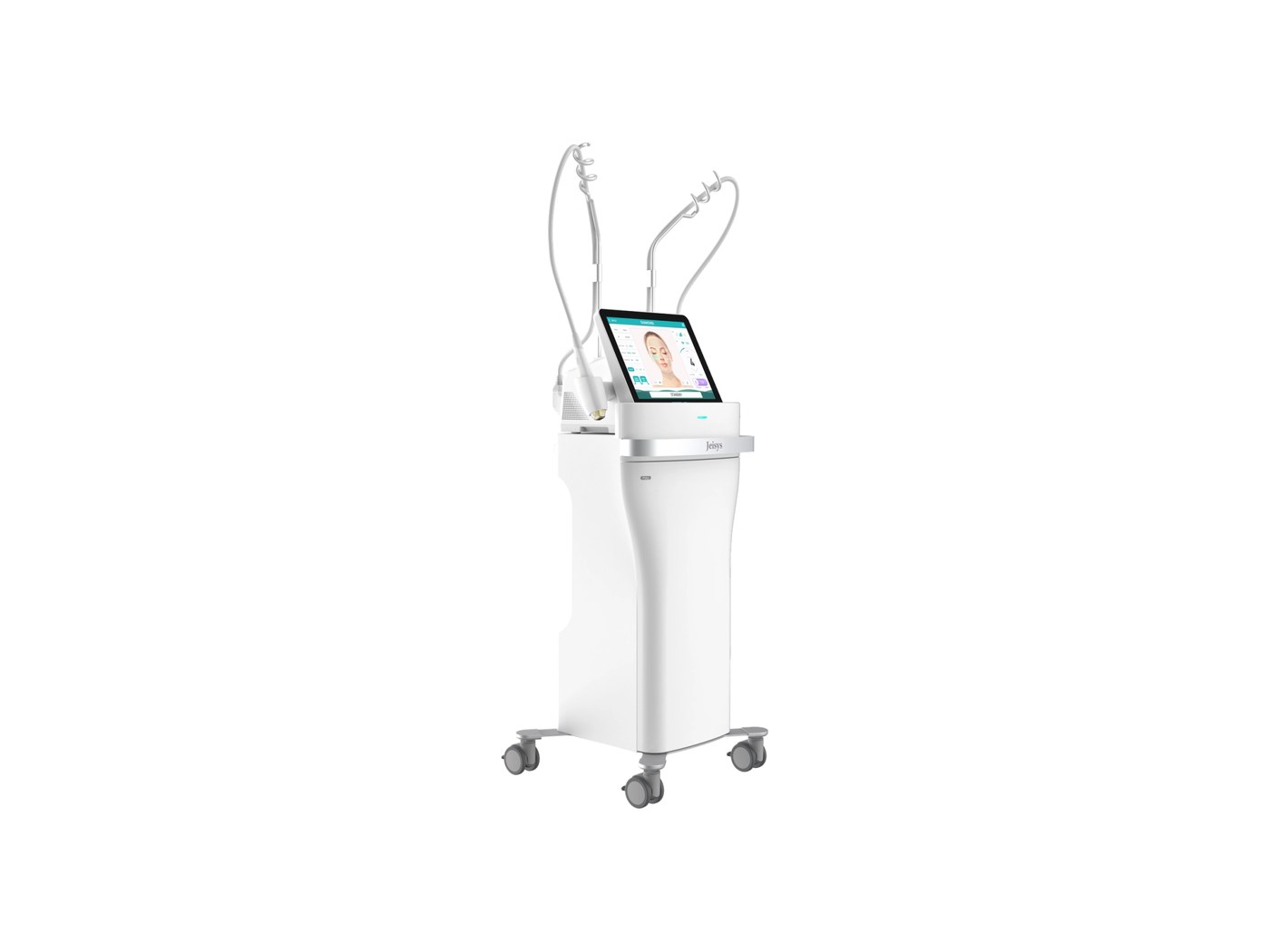
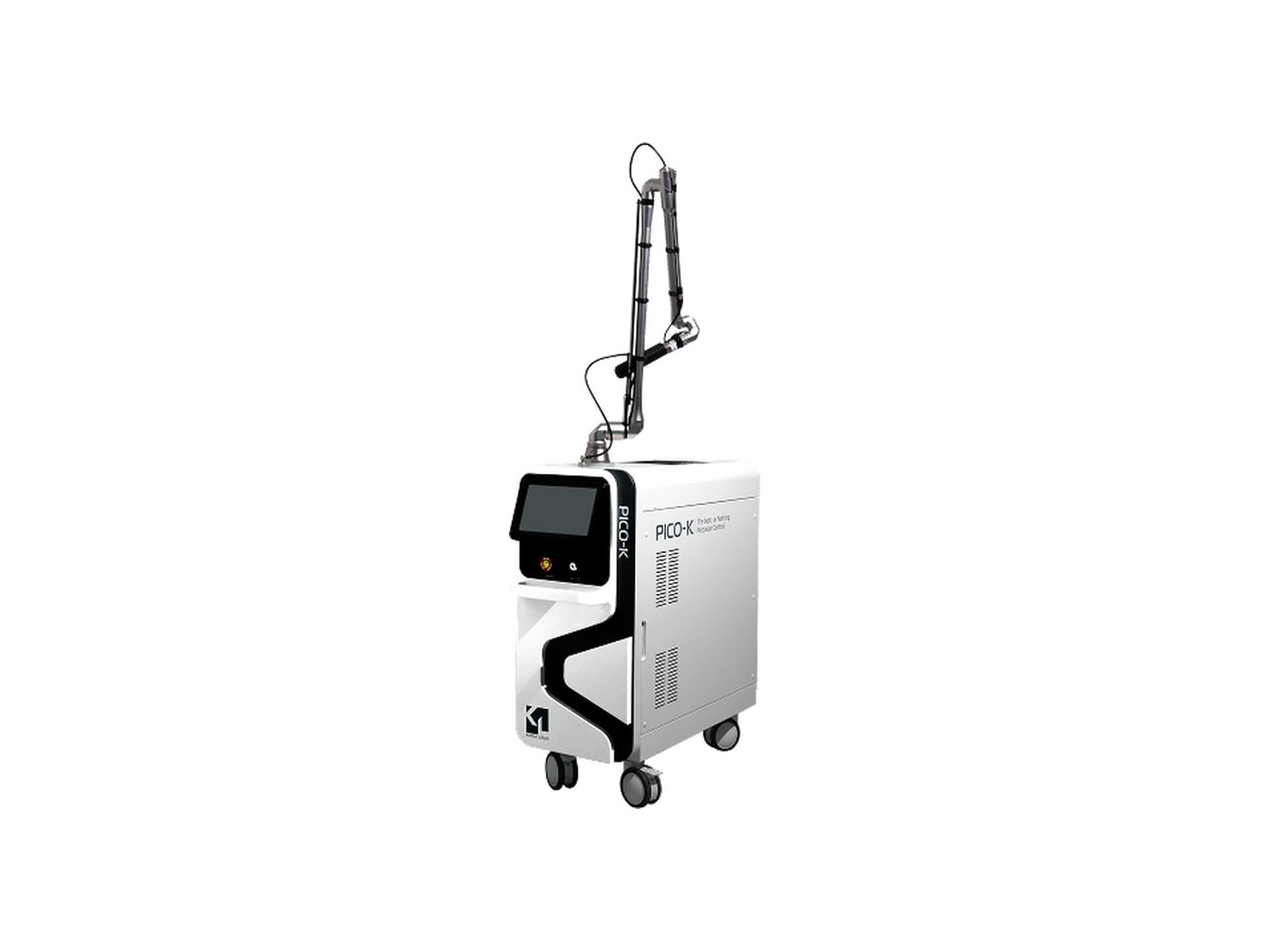
Q-switched lasers including Nd:YAG and alexandrite systems effectively treat melasma, age spots, and post-inflammatory hyperpigmentation. Korean clinics often combine multiple wavelengths during single sessions, a technique supported by research showing improved efficacy for Asian skin types. PicoSure and PicoWay lasers deliver ultra-short pulse durations that fragment pigment with minimal thermal damage, reducing downtime significantly. Read about gangnam derm clinic.Skin Laser.skin clinic.

Intense Pulsed Light (IPL) photofacials address diffuse redness, sun damage, and uneven skin tone. Gangnam dermatologists typically recommend 3-5 sessions spaced three weeks apart for visible improvement.

Resurfacing and Anti-Aging

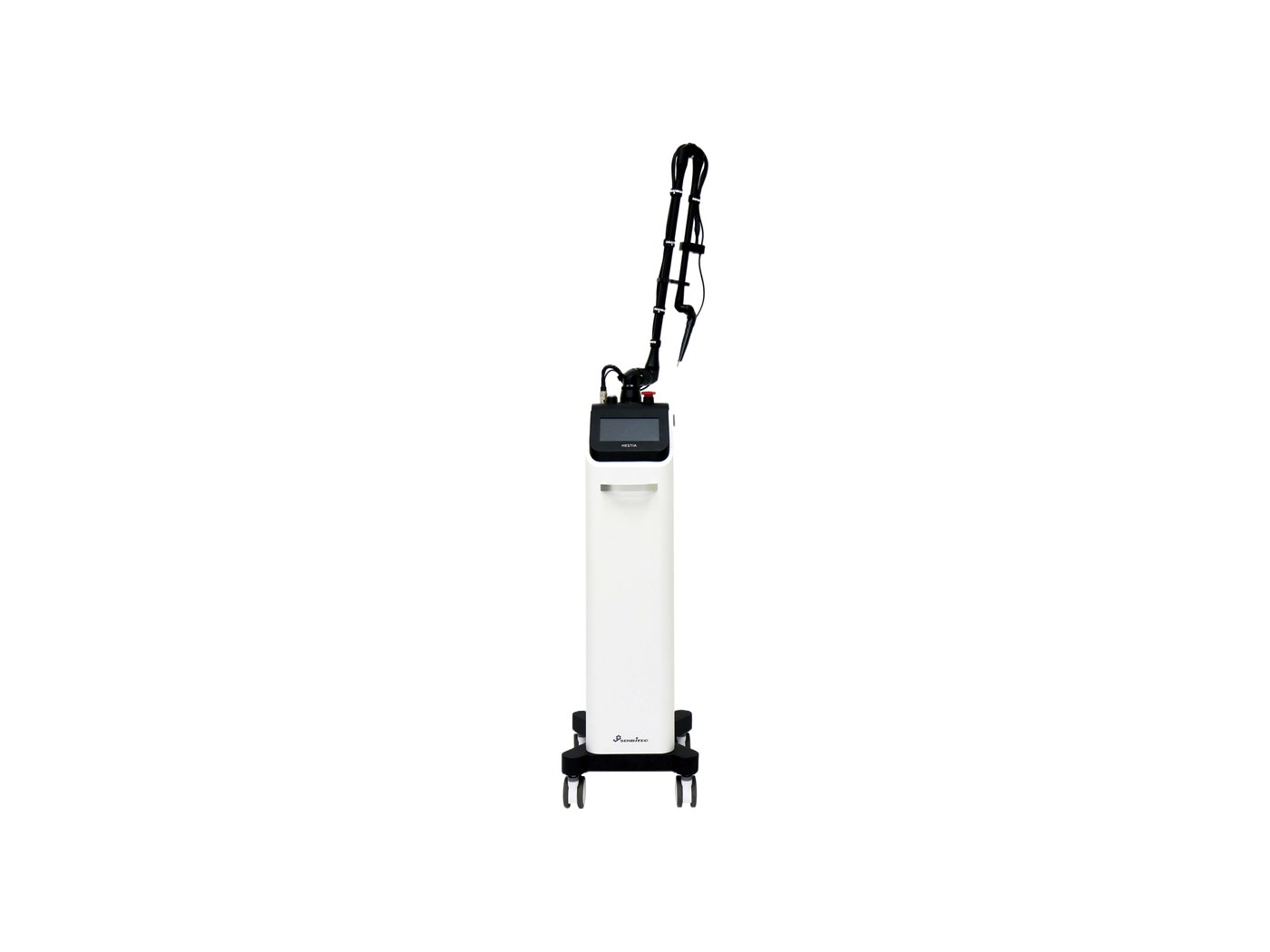
Fractional CO2 lasers remain the gold standard for skin resurfacing, stimulating collagen production while improving texture, fine lines, and acne scars. Studies published in dermatology journals confirm fractional approaches minimize recovery time while delivering comparable results to traditional ablative methods. Most Gangnam clinics use advanced fractional systems like Fraxel or CO2RE that allow precise depth control.

Erbium lasers provide gentler resurfacing suitable for sensitive areas and patients seeking minimal downtime. These treatments work well for superficial wrinkles and texture refinement around the eyes and mouth.

Vascular Lesion Treatment

Pulsed dye lasers (PDL) and long-pulsed Nd:YAG systems target facial redness, rosacea, spider veins, and cherry angiomas. Korean practitioners excel at treating vascular conditions in Asian skin, which requires careful parameter selection to avoid complications.

Acne and Scar Management

Combination laser protocols including fractional CO2, subcision, and radiofrequency microneedling deliver superior outcomes for acne scarring. Gangnam clinics frequently employ multi-modal approaches during single treatment sessions, maximizing results while patients are in Seoul. Blue light and photodynamic therapy (PDT) effectively reduce active acne inflammation and sebaceous gland activity.

Why International Patients Choose Gangnam for Laser Treatments

Several factors distinguish Gangnam as a top destination for cosmetic laser procedures beyond competitive pricing.

Advanced Technology and Expertise

Korean dermatology clinics invest heavily in latest-generation laser platforms, often acquiring new devices before Western markets. Practitioners undergo rigorous training through the Korean Association of Medical Specialties (KAMS) and many hold international board certifications. Gangnam dermatologists treat high patient volumes daily, developing exceptional technical proficiency particularly with Asian skin types that share characteristics with diverse international patients.

Comprehensive Treatment Protocols

Unlike Western clinics that typically offer single-modality treatments, Gangnam facilities provide customized combination protocols. A typical session might include laser treatment followed by growth factor application, LED therapy, and specialized post-care masks. This integrated approach accelerates healing and enhances outcomes. Read about best seoul dermatology.

Cost Efficiency

Laser treatments in Gangnam cost 40-60% less than equivalent procedures in the United States, United Kingdom, or Australia. A full-face fractional CO2 laser session ranges from $400-800 in Seoul compared to $1,500-3,000 in Western markets. Package deals for multiple sessions offer additional savings, making comprehensive treatment plans financially accessible.

Medical Tourism Infrastructure

Gangnam Station area features dedicated medical tourism coordinators, multilingual staff, and streamlined consultation processes. Many clinics partner with nearby hotels offering recovery packages. The district’s compact layout allows patients to access world-class dining, shopping, and accommodation within walking distance of medical facilities.

What to Expect During Your Treatment Journey

Understanding the treatment process helps international patients plan effectively and set realistic expectations.

Initial Consultation

Most reputable Gangnam clinics offer virtual consultations before arrival, allowing dermatologists to assess photos and recommend appropriate treatments. In-person consultations typically last 20-30 minutes and include detailed skin analysis using diagnostic imaging systems that reveal subsurface pigmentation and vascular patterns. Board-certified dermatologists explain treatment options, expected outcomes, and potential risks specific to your skin type.

Bring complete medical history including current medications, previous cosmetic procedures, and any skin conditions. Certain medications like isotretinoin require waiting periods before laser treatment.

Treatment Session

Procedure duration varies by treatment type. Superficial laser facials take 15-30 minutes while intensive fractional resurfacing requires 60-90 minutes including numbing time. Clinics apply topical anesthetic cream 30-45 minutes before ablative procedures to ensure comfort. During treatment, practitioners use cooling devices and techniques to minimize discomfort and protect surrounding tissue.

Staff explain post-treatment care thoroughly and provide detailed written instructions in English. Most clinics include immediate post-care treatments like calming masks or growth factor serums in the session price.

Recovery and Aftercare

Downtime ranges from zero for gentle treatments like IPL to 7-10 days for aggressive CO2 resurfacing. Non-ablative procedures typically cause temporary redness resolving within hours. Fractional treatments produce mild swelling and bronzing that peaks at 2-3 days before flaking reveals fresh skin.

Strict sun protection is mandatory for 4-6 weeks post-treatment. Gangnam clinics provide specialized recovery products including mineral sunscreens, barrier repair creams, and gentle cleansers. Many patients schedule treatments early in their Seoul visit, allowing several days of recovery before flying home.

Follow-Up Care

Clinics typically schedule follow-up assessments 1-2 weeks post-treatment, which can occur via photo review for international patients. Some treatments require multiple sessions spaced 4-6 weeks apart for optimal results. Many patients return to Gangnam for subsequent sessions, combining treatments with tourism.. Read about Seoul Clinic.

Choosing the Right Clinic in Gangnam

With hundreds of options, selecting a qualified facility requires careful research and specific criteria evaluation.

Essential Qualifications

Verify dermatologists hold proper credentials through the Korean Medical Association and MOHW licensing database. Board-certified dermatologists complete extensive residency training and maintain continuing education requirements. Look for clinics displaying certifications prominently and staff willing to provide credential verification.

International accreditation from organizations like Joint Commission International (JCI) indicates adherence to global safety standards, though many excellent clinics lack formal accreditation while maintaining high-quality care.

Technology and Safety Standards

Reputable clinics use FDA-approved and KFDA-certified laser devices from established manufacturers like Cynosure, Candela, Lumenis, and Lutronic. Ask specifically which device model will be used for your treatment. Well-maintained equipment and proper safety protocols including eye protection and sterile technique are non-negotiable.

Clean, modern facilities with organized treatment rooms indicate professional operations. Clinics should conduct patch tests for patients with darker skin tones or uncertain skin reactivity. Read about top korean dermatology clinic.

Communication and Transparency

Quality clinics employ English-speaking coordinators who clearly explain procedures, pricing, and realistic outcomes. Be wary of facilities making exaggerated claims or pushing unnecessary treatments. Transparent pricing with itemized costs and no hidden fees demonstrates integrity.

Reviews from verified international patients on platforms like RealSelf, medical tourism forums, and clinic websites provide valuable insights. Focus on reviews mentioning specific procedures, outcomes, and staff interactions rather than generic praise.

Location Considerations

Clinics near Gangnam Station, Apgujeong Rodeo, and Cheongdam areas offer convenient access to transportation and amenities. Proximity to your accommodation matters particularly if multiple sessions or follow-up visits are required.. Read about dermatology clinic seoul.

Frequently Asked Questions

How much do laser treatments cost in Gangnam compared to my home country?

Prices are typically 40-60% lower than Western countries. For example, fractional CO2 laser costs $400-800 in Seoul versus $1,500-3,000 in the US. Package deals for multiple sessions provide additional savings, and there are no hidden facility fees common in Western clinics.

Are Korean laser treatments safe for non-Asian skin types?

Yes, experienced Gangnam dermatologists regularly treat diverse skin types and tones. Korean practitioners receive comprehensive training in managing all Fitzpatrick skin types using appropriate laser parameters. Always disclose your complete skin history during consultation to ensure proper treatment customization.

How long should I plan to stay in Seoul for laser treatment?

For non-ablative treatments, 2-3 days suffices including consultation and procedure. Fractional resurfacing requires 7-10 days to allow initial healing before air travel. Schedule important events or professional commitments at least two weeks post-treatment to ensure complete recovery.

Will I need

Leave a Comment