Fractional Laser Seoul: 2026 Guide for International Patients

Recently updated | Reviewed by: Korea Medical Tourism Editorial Team

Patients visiting Korean clinics consistently report that fractional laser treatments in Seoul deliver results that rival or exceed what they experienced in their home countries — often at a fraction of the cost. According to data compiled by the Korea Health Industry Development Institute, South Korea welcomed over 600,000 medical tourists for aesthetic and dermatological procedures, with laser skin treatments ranking among the top five most requested services. The density of board-certified dermatology clinics in districts like Gangnam and Apgujeong, combined with cutting-edge laser technology, makes Seoul one of the most compelling destinations in Asia for fractional laser therapy.pico laser.gangnam dermatology seoul.

What sets Seoul apart is not just the technology but the clinical expertise built over decades of high-volume practice. Korean dermatologists perform fractional laser procedures on thousands of patients each year, refining their protocols for diverse skin tones and concerns — from post-acne scarring and enlarged pores to fine lines and uneven pigmentation. For international patients, this translates to a highly personalized experience backed by sophisticated equipment and medical infrastructure that consistently meets global standards. Discover /p>best dermatology clinic gangnam.

Clinical Perspective: A board-certified dermatologist practicing in Gangnam notes: “Many of our international patients are surprised by how customizable fractional laser treatments are. We adjust the depth, density, and energy settings based on each patient’s Fitzpatrick skin type, downtime tolerance, and specific concerns. A patient with darker skin tones who might be turned away elsewhere in the world can be safely treated here using protocols we have refined over many years.”Skin Laser Seoul.dermatology review seoul.

What Is Fractional Laser Treatment and How Does It Work?

Fractional laser therapy works by delivering thousands of microscopic laser columns into the skin, leaving surrounding tissue intact. This controlled injury stimulates collagen production and accelerates cellular turnover, resulting in smoother, firmer, and more evenly toned skin. The term “fractional” refers to the fact that only a fraction of the skin is treated at any one time, which significantly reduces recovery time compared to fully ablative laser resurfacing. For more on this topic, see /p>

Types of Fractional Lasers Available in Seoul

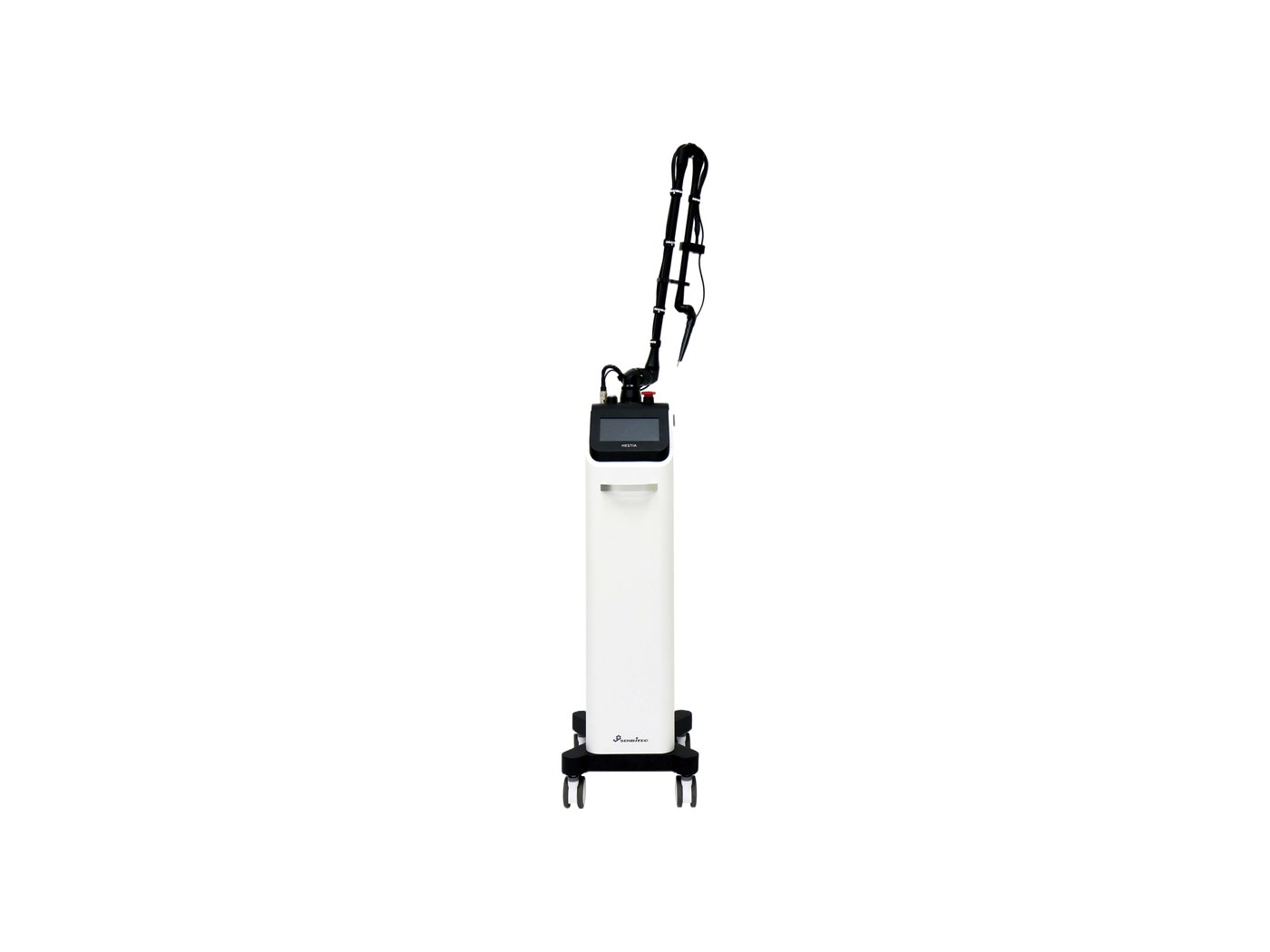
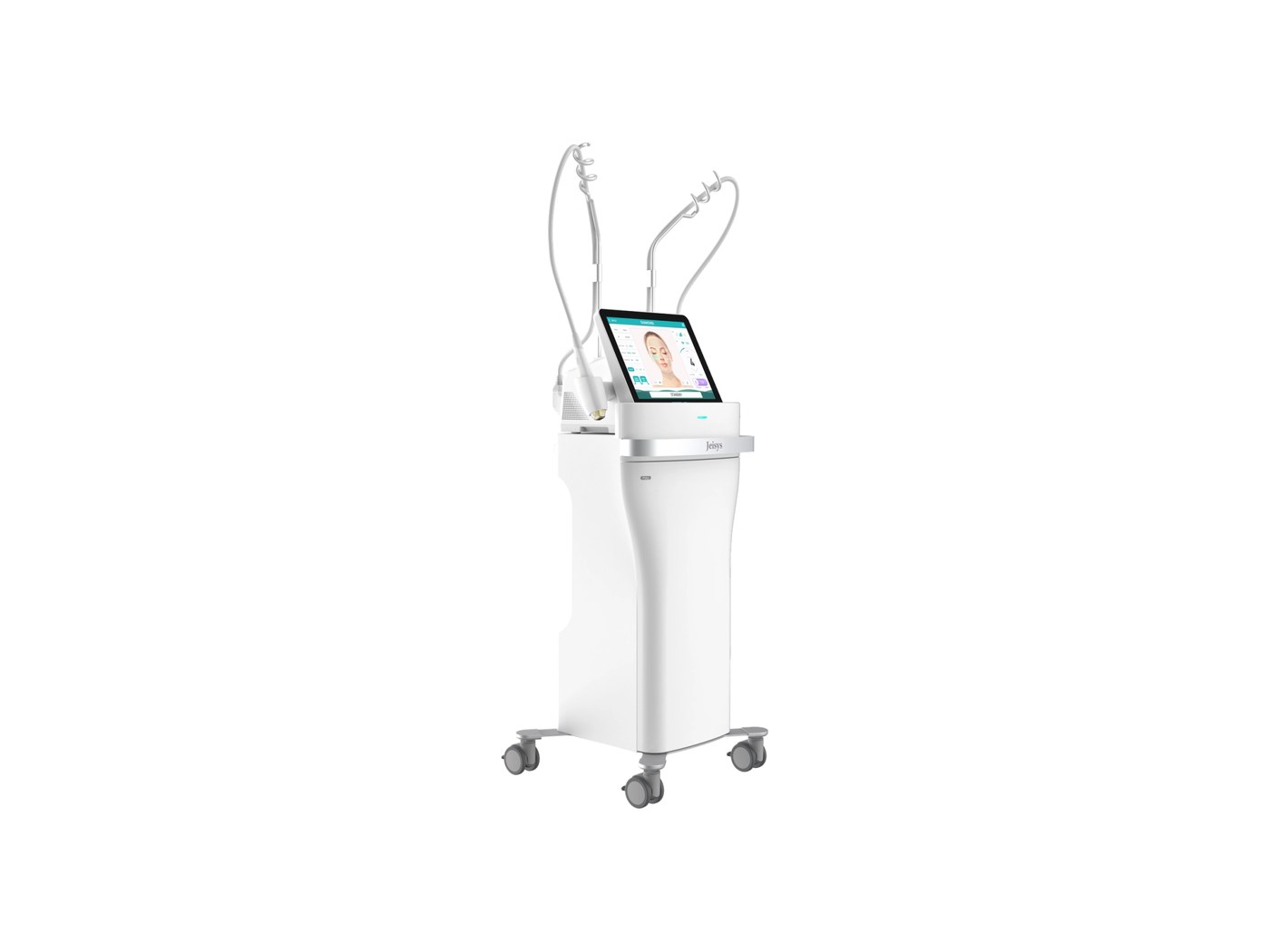
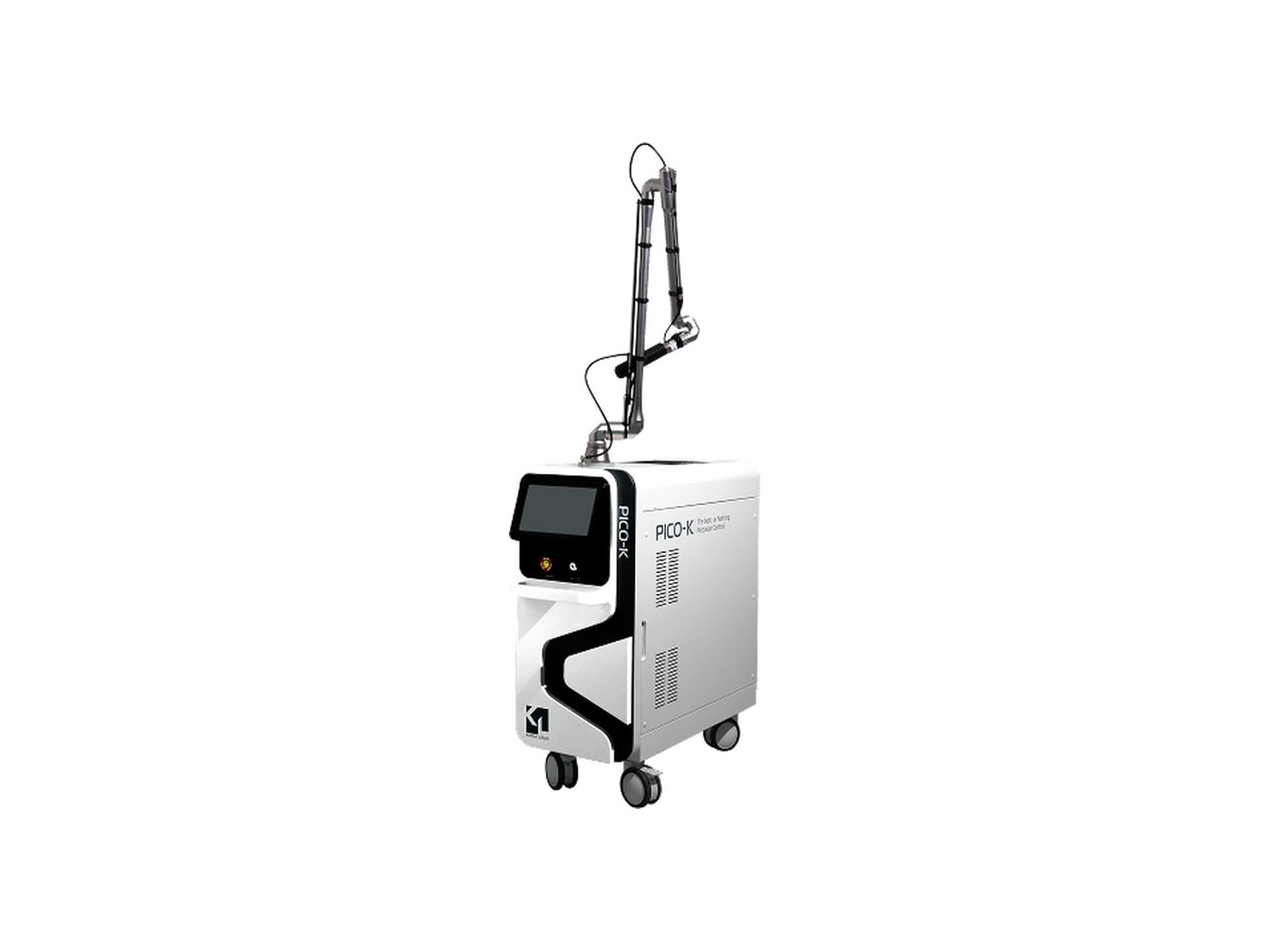
Seoul clinics offer a wide spectrum of fractional laser devices, each suited to different skin concerns and downtime preferences. The most commonly used systems include fractional CO2 lasers, fractional erbium (Er:YAG) lasers, and non-ablative fractional devices such as Clear + Brilliant and Fraxel Restore. Fractional CO2 lasers offer the deepest penetration and are ideal for acne scars, wrinkles, and significant textural irregularities. Non-ablative options require minimal downtime and are popular among patients who cannot afford more than a day or two of social downtime. Clinics in Gangnam are well-equipped with both ablative and non-ablative systems and can advise on the best choice during consultation. Read about korean clinic reviews guide.

Conditions Commonly Treated

In Seoul clinics, fractional laser is regularly used to address acne scars, surgical scars, enlarged pores, fine lines and wrinkles, melasma and hyperpigmentation, stretch marks, and overall skin texture improvement. The American Academy of Dermatology recognizes fractional resurfacing as a well-established, evidence-based treatment for a range of these concerns, and Korean practitioners apply these same evidence-backed standards with the added advantage of high procedural volume and advanced device availability.

Fractional Laser Seoul Pricing: KRW and USD Breakdown

One of the most compelling reasons international patients seek fractional laser in Seoul is the pricing advantage. Costs vary by clinic tier, device type, and the size of the treatment area, but the ranges below reflect accurate, up-to-date figures gathered from Gangnam and Apgujeong clinics as of early 2026. Read about gangnam derm clinic.

Non-Ablative Fractional Laser (e.g., Clear + Brilliant, Fraxel Restore)

Non-ablative fractional laser sessions for a full face typically range from approximately ₩150,000 to ₩350,000 per session (roughly USD 110–260). These treatments require little to no downtime and are often recommended as a series of three to six sessions spaced two to four weeks apart. Package pricing for multiple sessions can reduce the per-session cost by 20–30% at many clinics.

Ablative Fractional CO2 Laser

Fractional CO2 laser, which provides more dramatic results for scars and deeper wrinkles, is priced higher due to the intensity of the treatment. Full-face sessions typically cost between ₩400,000 and ₩900,000 (approximately USD 295–660). Some premium clinics in Cheongdam-dong charge upward of ₩1,200,000 (USD 880) for combined CO2 treatments with customized protocols. When compared to equivalent treatments in the United States, where fractional CO2 can cost USD 1,500–3,000 per session, Seoul pricing offers significant value even after accounting for travel costs.

Procedure Timeline and Recovery

A typical fractional laser session takes between 30 and 60 minutes, including numbing cream application time of approximately 30–45 minutes prior to the procedure. For non-ablative sessions, patients can expect mild redness and a feeling similar to a sunburn for 24–48 hours. For fractional CO2 treatments, expect three to seven days of visible redness, swelling, and skin peeling or bronzing. Most international patients plan a minimum five to seven-day stay in Seoul for ablative treatments to allow initial healing before flying home. Sun protection is critical for at least four weeks post-treatment, and clinics consistently provide comprehensive aftercare kits and written instructions in English. Read about skin clinic seoul review.

Choosing the Right Clinic for Fractional Laser in Seoul

Seoul has hundreds of dermatology clinics, and quality can vary significantly. The Gangnam and Apgujeong districts are home to the highest concentration of internationally accredited clinics with English-speaking coordinators. Reputable clinics are typically registered with the Korean Medical Association and employ board-certified dermatologists rather than general practitioners or aestheticians performing laser procedures. Read about gangnam dermatology.

What Distinguishes Top-Tier Clinics

Leading fractional laser clinics in Seoul invest in multiple laser platforms, allowing doctors to combine or switch devices based on individual patient needs rather than being limited to a single device. They conduct in-depth pre-treatment consultations that include skin analysis using Visia or similar diagnostic equipment, Fitzpatrick skin typing, and a review of the patient’s medication and skincare history. Many clinics also offer interpreter services or have dedicated international patient coordinators who assist with scheduling, translation, and post-treatment follow-up communications via messaging apps like KakaoTalk or WhatsApp.

What to Know Before You Book

Based on our research across multiple Gangnam clinics, there are several practical considerations every international patient should keep in mind before booking fractional laser treatment in Seoul. First, clinics we contacted confirmed that patients should avoid retinoids and exfoliating acids for at least one week before treatment, and active sunburn or recent sun exposure can be grounds for postponing the session on the day of the appointment. Second, if you are considering ablative fractional CO2, plan your Seoul stay for a minimum of five to seven days to allow initial recovery before boarding a long-haul flight. Third, clinics we contacted confirmed that virtually all reputable Gangnam clinics provide aftercare instructions in English and sell or provide post-laser skincare products including barrier repair moisturizers and broad-spectrum SPF formulated for sensitive, post-procedure skin. Fourth, based on our research, it is worth requesting a written treatment summary from your clinic that you can share with your home dermatologist for continuity of care upon return. Fifth, pricing packages that bundle multiple fractional laser sessions are commonly available and represent the best value, especially for non-ablative treatments that require a series to achieve optimal results. Read about best board certified dermatologist seoul.

Frequently Asked Questions

Is fractional laser in Seoul safe for darker skin tones?

Yes, when performed by an experienced board-certified dermatologist using the appropriate device and settings. Korean clinics have extensive experience treating Fitzpatrick skin types III through V, which are common in Asian patients, and routinely adjust laser parameters to minimize the risk of post-inflammatory hyperpigmentation. It is essential to disclose your full skin history and any previous laser experiences during your consultation.

How many fractional laser sessions will I need?

The number of sessions depends on your skin concern and the type of fractional laser selected. For acne scarring with fractional CO2, two to three sessions spaced six to eight weeks apart are typically recommended. For general skin rejuvenation with non-ablative fractional lasers, a series of four to six sessions produces optimal results. Your treating dermatologist will outline a personalized treatment plan during your initial consultation.

Can I combine fractional laser with other treatments during my Seoul visit?

Many international patients do combine fractional laser with other procedures, but this requires careful planning. Some combinations — such as fractional laser and certain injectables — require treatments to be spaced appropriately. Clinics we contacted confirmed that combining fractional laser with skin booster injections or PRP on the same visit is feasible in some cases, but combining it with ablative procedures or aggressive chemical peels on the same day is not advisable. Always discuss combination plans with your dermatologist in advance.

What should I bring or do to prepare for fractional laser in Seoul?

Arrive in Seoul with clean, unmade-up skin on the day of treatment and avoid applying retinoids, AHAs, or BHAs for at least five to seven days prior. Bring a list of all current medications and supplements, as some (like blood thinners and certain herbal supplements) can affect healing. It is also helpful to bring photos of your primary skin concerns to share with the doctor during consultation. Read about seoul skin clinic guide.

How do I find an English-friendly fractional laser clinic in Gangnam?

Look for clinics that explicitly advertise international patient services on their websites or through Korea medical tourism platforms. Clinics in the core Gangnam and Apgujeong areas almost universally have at least one English-speaking coordinator. You can also verify that a clinic employs a licensed dermatologist — rather than a general physician or unlicensed practitioner — by checking credentials through the Korean Medical Association’s public registry at kma.org.

Related Articles

If you found this guide helpful, you may also want to explore these resources for international patients considering laser treatments in Seoul:. Read about comprehensive best dermatologist in seoul.

Medical Disclaimer: This article is for informational purposes only and does not constitute medical advice. Always consult a qualified healthcare professional before undergoing any medical procedure. Individual results and recovery times may vary.
About This Guide: Researched and written by the editorial team at Skin Laser Seoul, a resource dedicated to helping international patients navigate Korea medical tourism with accurate, up-to-date information sourced from official Korean health authorities and direct clinic consultations.


Related Categories

Recommended Reading


External Resources

Explore other expert guides:. Read about bestclinicinkorea.com.


Leave a Comment