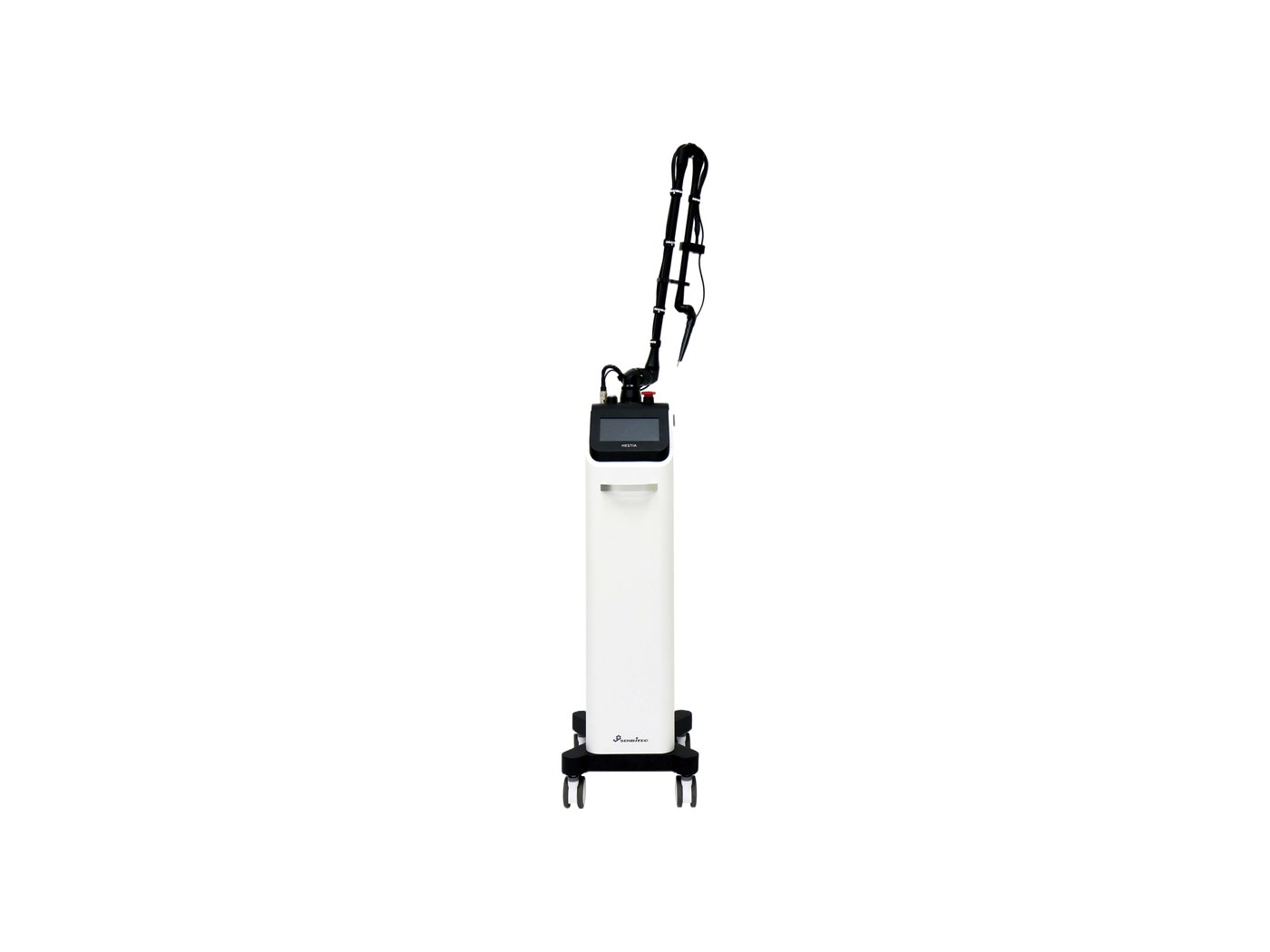
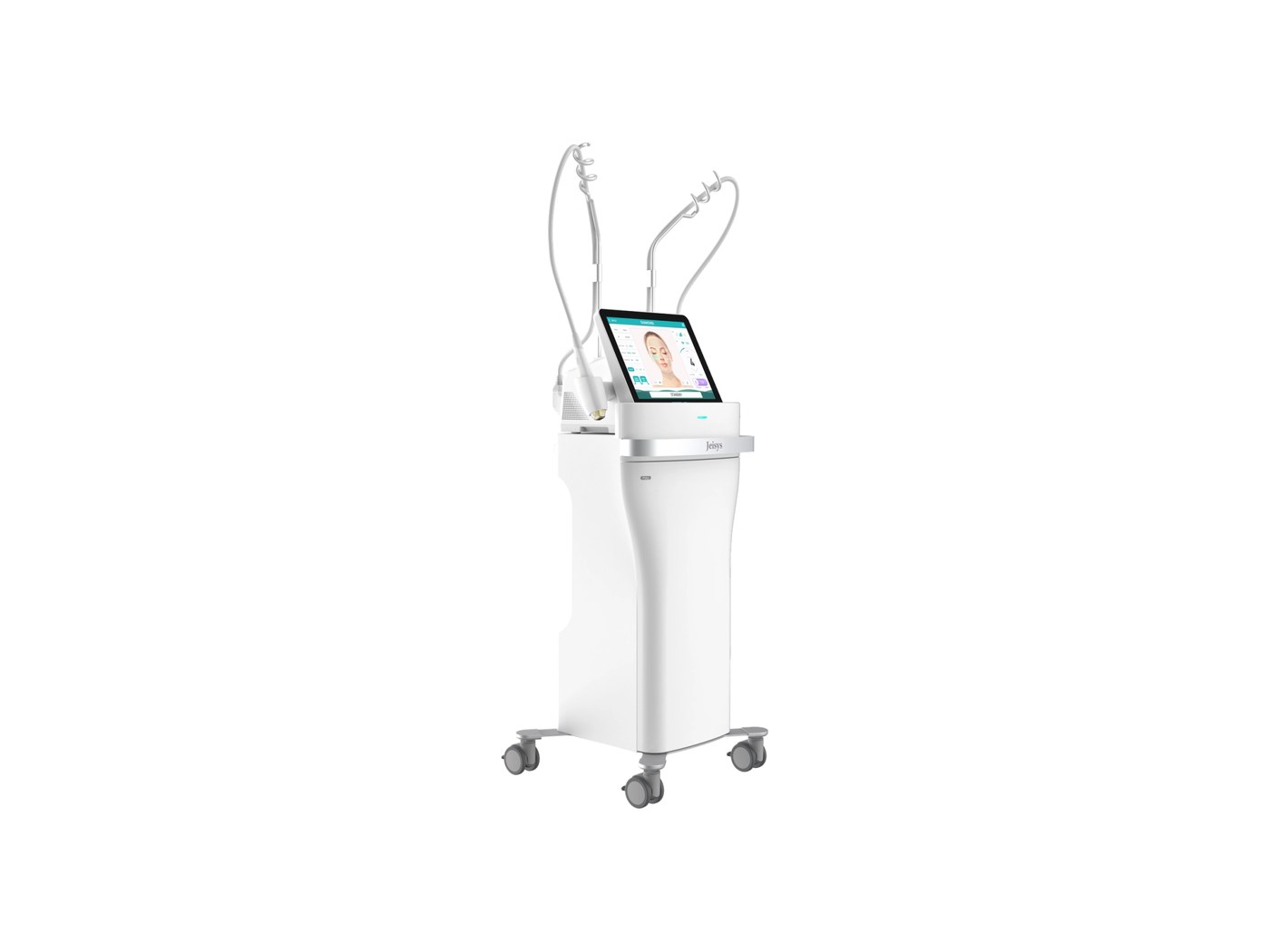
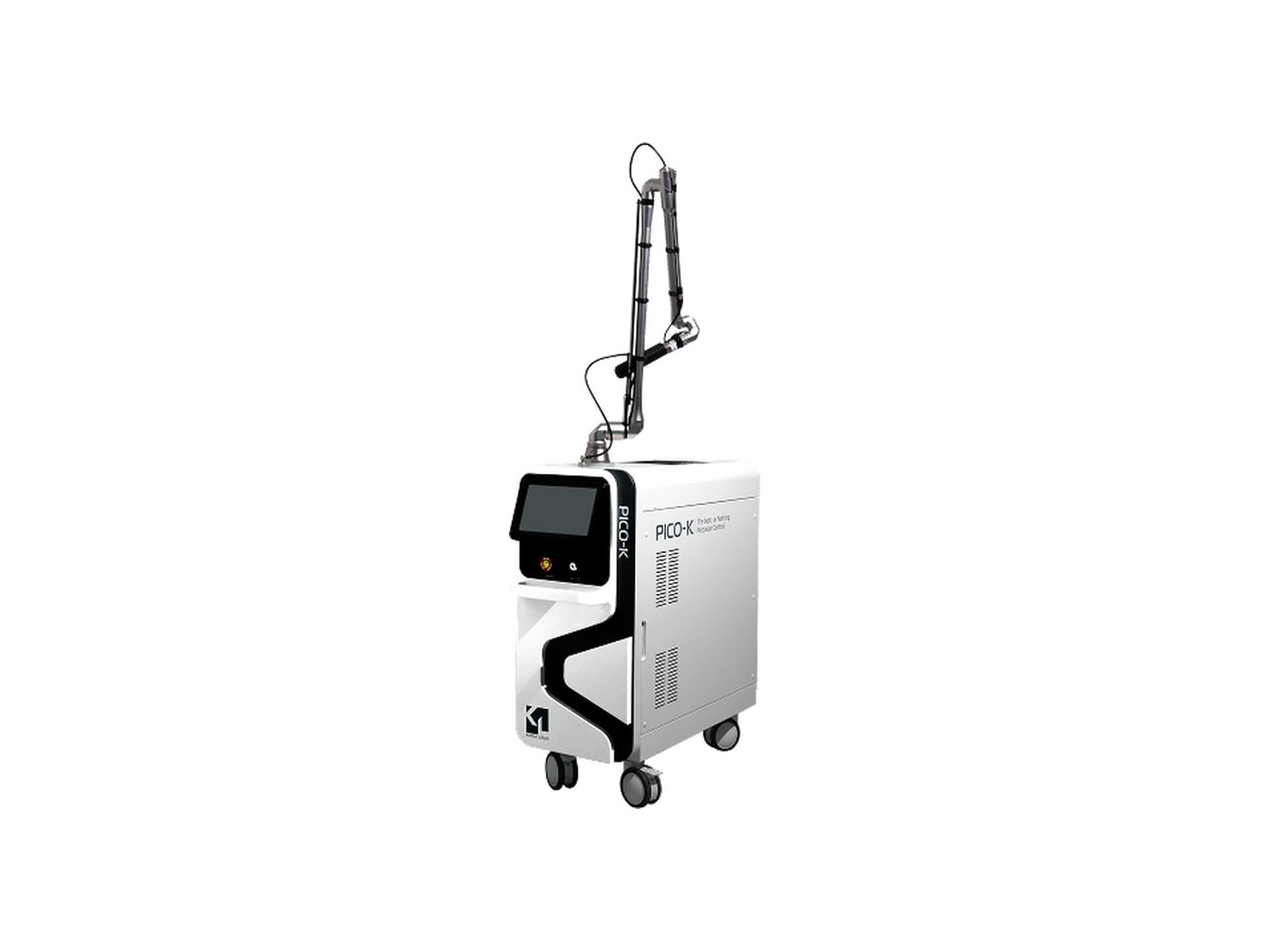
Seoul has established itself as a global hub for advanced laser dermatology, with CO2 laser treatments representing one of the most sought-after procedures for skin resurfacing and rejuvenation. International patients choose Seoul for its combination of cutting-edge fractional CO2 laser technology, highly trained dermatologists certified by the Korean Association of Medical Specialists (KAMS), and competitive pricing compared to Western markets. The city’s medical districts, particularly Gangnam and Apgujeong, house clinics equipped with FDA-approved and KFDA-certified devices that deliver precise ablative results for acne scars, wrinkles, and skin texture concerns. For more on this topic, see /p>GDS.
This comprehensive guide covers everything international patients need to know about CO2 laser treatments in Seoul, from technology types and clinical applications to cost comparisons, recovery protocols, and selecting qualified practitioners. Understanding these elements ensures informed decision-making when planning your medical tourism journey to Korea’s capital for advanced skin resurfacing procedures. Related: /p>dermatologist seoul.
Understanding CO2 Laser Technology and Applications
CO2 lasers operate at a 10,600nm wavelength, targeting water molecules in skin tissue to vaporize damaged cells while stimulating collagen remodeling in deeper dermal layers. This ablative approach removes microscopic columns of tissue, triggering the body’s natural healing response and producing new, healthier skin. Research published in PubMed demonstrates that fractional CO2 lasers achieve significant improvement in atrophic acne scars with controlled thermal damage and reduced downtime compared to traditional fully ablative systems. Discover /p>a notable Seoul provider.
Seoul clinics primarily utilize fractional CO2 laser systems rather than traditional fully ablative devices. Fractional technology treats 20-40% of skin surface area per session, leaving surrounding tissue intact to facilitate faster healing. This approach minimizes complications while maintaining efficacy for most cosmetic concerns. See also: /p>
Primary Clinical Applications
- Atrophic Acne Scars: Rolling, boxcar, and ice pick scars respond well to fractional CO2 treatment, with Seoul dermatologists often combining laser sessions with subcision or dermal fillers for optimal results
- Photodamage and Aging: Sun-damaged skin, fine lines, wrinkles, and age spots improve through controlled ablation and collagen stimulation
- Skin Texture Irregularities: Enlarged pores, rough texture, and uneven skin tone benefit from surface resurfacing
- Surgical and Traumatic Scars: Hypertrophic scars and keloids can be reduced through targeted laser treatment combined with other modalities
- Benign Lesions: Seborrheic keratosis, syringomas, and certain moles can be precisely removed
Korean dermatologists typically customize treatment parameters based on Fitzpatrick skin type, with particular expertise in treating Asian skin types (III-IV) that require careful energy calibration to prevent post-inflammatory hyperpigmentation. International patients benefit from this refined approach, as Seoul practitioners have extensive experience managing diverse skin tones.
Advanced CO2 Laser Platforms in Seoul
Leading Seoul clinics invest in premium fractional CO2 systems including Lumenis UltraPulse, DEKA SmartXide DOT, Lutronic eCO2, and Candela CO2RE. These platforms offer computerized scanning patterns, adjustable ablation depths (20-150μm), and thermal zones that can be precisely controlled. The Lutronic eCO2, manufactured in Korea, is particularly popular in Seoul clinics and offers competitive performance at lower cost compared to Western-made devices.
Treatment depth and density are adjusted based on indication: lighter settings (30-50μm depth, 10-15% density) for general rejuvenation with minimal downtime, moderate settings (50-80μm depth, 20-30% density) for wrinkles and moderate scarring, and aggressive settings (80-150μm depth, 30-40% density) for severe acne scars. Seoul practitioners excel at customizing these parameters to balance efficacy with recovery tolerance for international patients with limited stay duration.
Treatment Protocols and Clinical Procedures
CO2 laser sessions in Seoul follow standardized protocols aligned with Ministry of Health and Welfare (MOHW) guidelines, ensuring safety and consistency across certified clinics. Understanding the complete treatment process helps international patients prepare appropriately and set realistic expectations.
Pre-Treatment Preparation
Initial consultation includes skin analysis using VISIA imaging or similar diagnostic systems to document baseline conditions and establish treatment goals. Dermatologists assess Fitzpatrick skin type, active skin conditions, medical history, and current medications. Patients are typically prescribed pre-treatment protocols 2-4 weeks prior:
- Tretinoin or retinol to accelerate skin cell turnover and improve laser penetration
- Hydroquinone or kojic acid for patients at high risk of post-inflammatory hyperpigmentation
- Discontinuation of photosensitizing medications and supplements (NSAIDs, vitamin E, fish oil)
- Prophylactic antiviral medication (acyclovir/valacyclovir) for patients with herpes simplex history
Seoul clinics schedule treatments during cooler months (October-March) when sun exposure is reduced, though year-round treatment is possible with strict sun protection. International patients should plan arrival 1-2 days before the procedure to allow consultation time and adjust to the time zone.
Day-of-Procedure Protocol
Treatment sessions typically last 30-90 minutes depending on treatment area size and depth. The standard protocol includes:
Anesthesia Application: Topical anesthetic cream (lidocaine/prilocaine combination) applied 45-60 minutes before treatment. Some Seoul clinics offer tumescent anesthesia injection or nerve blocks for aggressive full-face treatments to enhance patient comfort.
Skin Preparation: Thorough cleansing removes makeup, oils, and debris. The treatment area is photographed for medical records and outcome comparison.
Laser Treatment: The dermatologist passes the fractional CO2 handpiece across treatment zones in a systematic pattern, typically 2-3 passes depending on indication. Patients experience heat sensation and mild discomfort despite anesthesia. Cooling devices or forced cold air minimize thermal discomfort.
Post-Treatment Care: Immediate application of growth factor serums, hyaluronic acid ampoules, or platelet-rich plasma (PRP) enhances healing and results. Some Seoul clinics include complimentary LED phototherapy or oxygen therapy post-treatment to reduce inflammation and accelerate recovery.
Treatment Sessions and Intervals
Single aggressive sessions produce significant results but require extended downtime (10-14 days). Seoul dermatologists increasingly recommend split treatments with moderate settings spaced 4-6 weeks apart, allowing international patients to undergo 2-3 sessions during extended stays or multiple trips. This approach maintains social acceptability with shorter recovery periods (5-7 days per session) while achieving comparable cumulative results.
Maintenance treatments every 12-18 months preserve collagen stimulation and address new skin concerns. Many international patients return to Seoul annually for touch-up sessions combined with other aesthetic procedures.
Recovery Process and Expected Outcomes
CO2 laser recovery follows predictable phases, though individual healing varies based on treatment intensity, skin type, and adherence to post-care protocols. Seoul clinics provide detailed recovery instructions in English and maintain communication channels for international patients returning home during healing. Read about Seoul Dermatology Review.
Immediate Post-Treatment (Days 0-3)
Treated skin appears bright red with pinpoint bleeding and immediate swelling. The intensity resembles moderate-severe sunburn. Edema peaks 24-48 hours post-treatment, particularly affecting periorbital areas. Seoul clinics recommend remaining in Korea for at least 2-3 days post-procedure for follow-up assessment and professional wound care.
Patients should expect oozing and crusting as the ablated tissue forms protective scabs. Prescribed healing ointments (typically petroleum-based or specialized post-laser creams) must be applied liberally every 2-3 hours to maintain moisture and prevent premature scab removal. Seoul hotels near medical districts like Gangnam are accustomed to post-procedure patients and provide appropriate amenities.
Active Healing Phase (Days 4-10)
Scabbing peaks around days 3-5, then gradually flakes off revealing pink, sensitive new skin underneath. Patients must resist picking at scabs to prevent scarring and pigmentation issues. Appearance during this phase limits social activity, though international patients can comfortably remain in hotel accommodations.
By day 7-10, most scabbing resolves and new skin appears noticeably smoother, though pink coloration persists. Many international patients schedule return flights 10-14 days post-treatment when cosmetic camouflage becomes possible. Seoul clinics provide medical documentation for travel, as facial appearance may raise questions at immigration checkpoints.
Remodeling Phase (Weeks 2-12)
Pink erythema gradually fades over 4-12 weeks depending on treatment depth and individual healing characteristics. Makeup application resumes after complete re-epithelialization (typically day 7-10). Patients must maintain strict sun protection with SPF 50+ broad-spectrum sunscreen reapplied every 2 hours, as new skin remains vulnerable to UV damage for months.
Collagen remodeling continues for 3-6 months post-treatment, with progressive improvement in texture, tone, and scar appearance. Maximal results become evident at 3 months, though continued enhancement occurs up to 6 months. Research in the Journal of Cosmetic and Laser Therapy indicates that collagen density increases progressively for up to one year following fractional CO2 laser treatment.
Long-Term Maintenance
Results from CO2 laser resurfacing last several years with proper skincare maintenance. Seoul dermatologists prescribe tretinoin, vitamin C serums, and peptide-based products to preserve collagen stimulation. Combining CO2 laser treatments with non-ablative modalities like RF microneedling or ultrasound therapy extends benefits and addresses different skin layers.
Cost Analysis and Value Proposition
CO2 laser treatment costs in Seoul represent significant savings compared to Western markets while maintaining equivalent or superior quality standards. Understanding pricing structures helps international patients budget appropriately for comprehensive care including travel expenses.
Seoul Pricing Structure
CO2 laser treatments in Seoul typically range based on treatment area and intensity:
- Full Face: ₩800,000-₩2,000,000 ($600-$1,500 USD) per session depending on clinic reputation, device type, and treatment parameters
- Partial Face (cheeks/forehead): ₩500,000-₩1,200,000 ($375-$900 USD)
- Acne Scar Spot Treatment: ₩300,000-₩800,000 ($225-$600 USD)
- Full Face + Neck: ₩1,200,000-₩2,800,000 ($900-$2,100 USD)
Premium clinics in Gangnam’s luxury medical districts charge higher fees but offer English-speaking staff, international patient coordinators, and enhanced amenities. Mid-tier clinics with board-certified dermatologists provide excellent clinical outcomes at more accessible pricing. Package deals for multiple sessions typically include 10-20% discounts.
Comparative International Pricing
Equivalent CO2 laser treatments in Western markets cost substantially more:
- United States: $2,000-$5,000 per full-face session
- United Kingdom: £1,500-£4,000 per session
- Australia: AUD $2,500-$5,500 per session
- Singapore: SGD $2,000-$4,500 per session
Seoul offers 50-70% cost savings even after accounting for international airfare (typically $800-$1,500 round-trip from major Western cities) and accommodation expenses ($50-150 per night for 10-14 days). Medical tourism packages from Seoul agencies often bundle treatment, accommodation, and airport transfers at competitive rates.
Comprehensive Budget Planning
International patients should budget for complete care beyond the procedure cost:
- Initial consultation (sometimes complimentary or ₩50,000-₩100,000)
- Pre-treatment medications and skincare (₩100,000-₩300,000)
- Post-treatment medications and wound care products (₩150,000-₩400,000)
- Follow-up appointments (₩50,000-₩150,000 per visit)
- Professional post-treatment facials or LED therapy (₩100,000-₩300,000 per session)
- Travel insurance covering medical procedures (varies by provider)
Total medical expenses typically range ₩1,500,000-₩3,500,000 ($1,100-$2,600 USD) for comprehensive single-session treatment including all ancillary care, still representing significant savings compared to home countries.
Insurance and Payment Options
CO2 laser resurfacing for cosmetic purposes is not covered by international or Korean health insurance. Some patients successfully claim partial reimbursement when treatment addresses functional concerns like severe scarring affecting mental health, though this requires substantial documentation. Worth checking /p>
Seoul clinics accept multiple payment methods including credit cards (Visa, Mastercard, American Express with 3-5% processing fees), bank transfers, cash, and increasingly accept cryptocurrency at select establishments. Medical tourism agencies may offer payment plans for bundled services. Always request itemized receipts for tax deduction consideration in home countries where medical expenses may be deductible. Read about skin clinic seoul.
Selecting Qualified Providers in Seoul
Provider selection critically impacts treatment safety and outcomes. Seoul’s competitive aesthetic market includes thousands of clinics with varying expertise levels, making proper vetting essential for international patients lacking local knowledge.
Essential Credentials and Certifications
Qualified CO2 laser providers in Seoul should possess:. Read about complete dermatology clinic seoul guide.
- Board Certification: Dermatology board certification from the Korean Association of Medical Specialists (KAMS) ensures 4+ years of specialized residency training beyond medical school
- Facility Accreditation: Clinic registration with the Ministry of Health and Welfare (MOHW) and compliance with Korean medical facility standards
- Device Certification: Use of KFDA (Korean FDA) approved laser systems with proper maintenance records and calibration documentation
- Professional Memberships: Active membership in Korean Dermatological Association or Korean Society for Laser Medicine indicating ongoing education and professional standards
International patients should verify credentials through clinic websites, requesting certificate numbers that can be cross-referenced with KAMS databases. Reputable clinics readily provide this documentation to international patients.
Evaluating Clinical Experience
Beyond credentials, practical experience matters significantly for optimal outcomes:
- Minimum 5+ years performing CO2 laser treatments specifically
- Substantial experience treating international patients and diverse skin types beyond Asian populations
- Published research, conference presentations, or teaching positions indicating expertise recognition
- Before/after photo portfolios demonstrating consistent results across various indications
- Transparent complication management protocols and realistic expectation setting during consultations
High-volume clinics in Gangnam and Apgujeong districts typically see 20-50+ laser patients weekly, providing extensive practical experience. However, volume alone doesn’t guarantee quality—assess individual practitioner experience rather than clinic throughput alone. Read about dermatology clinic seoul.
International Patient Services
Clinics experienced with medical tourism offer essential services facilitating smooth treatment experiences:
- English-speaking dermatologists or professional medical interpreters (not just coordinators)
- Transparent pricing with written quotes including all anticipated costs
- Telemedicine follow-up consultations after returning home
- Medical records and documentation in English for home providers
- Airport pickup, accommodation assistance, and logistical support
- Emergency contact protocols for complications arising after departure
Medical tourism agencies specializing in Korean aesthetic procedures can facilitate provider matching based on specific needs, language requirements, and budget parameters.
Warning Signs and Red Flags
Avoid providers displaying concerning characteristics:
- Unwillingness to provide verifiable credentials or facility licenses
- Guaranteed results or unrealistic outcome promises
- Pressure tactics or limited-time pricing creating artificial urgency
- Significantly below-market pricing suggesting equipment, technique, or training compromises
- Poor communication, unprofessional facilities, or inadequate pre-treatment assessment
- Negative patterns in international patient reviews mentioning complications, hidden fees, or poor follow-up
Seoul’s reputation as a medical tourism destination depends on maintaining quality standards. Reputable providers welcome questions, provide thorough consultations, and demonstrate genuine concern for patient welfare beyond transaction completion.
Safety Considerations and Risk Management
While CO2 laser resurfacing is generally safe when performed by qualified practitioners, understanding potential risks and proper management protocols protects international patients who face unique challenges receiving care far from home.