Seoul has emerged as a global leader in advanced laser skin treatments, combining cutting-edge technology with highly specialized dermatologists at competitive prices. International patients seeking premium skin laser treatments find that Korean clinics offer FDA-approved devices, personalized protocols, and board-certified expertise often at 40-60% less than comparable Western markets. The concentration of advanced dermatology clinics in Gangnam and Apgujeong districts provides unparalleled access to the latest laser technologies backed by rigorous Korean Ministry of Health and Welfare (MOHW) standards. Learn about /p>dermatology seoul.
This guide covers what makes Seoul’s laser treatments exceptional, which procedures deliver optimal results, how to select qualified clinics, and practical considerations for international patients planning their treatment journey. See also: /p>
Why Seoul Leads in Laser Skin Technology
Korean dermatology clinics invest heavily in the newest laser platforms, often adopting technologies 12-18 months before they become standard in Western countries. This technological edge stems from Korea’s competitive medical aesthetics market and strong government support for medical tourism infrastructure. See also: /p>
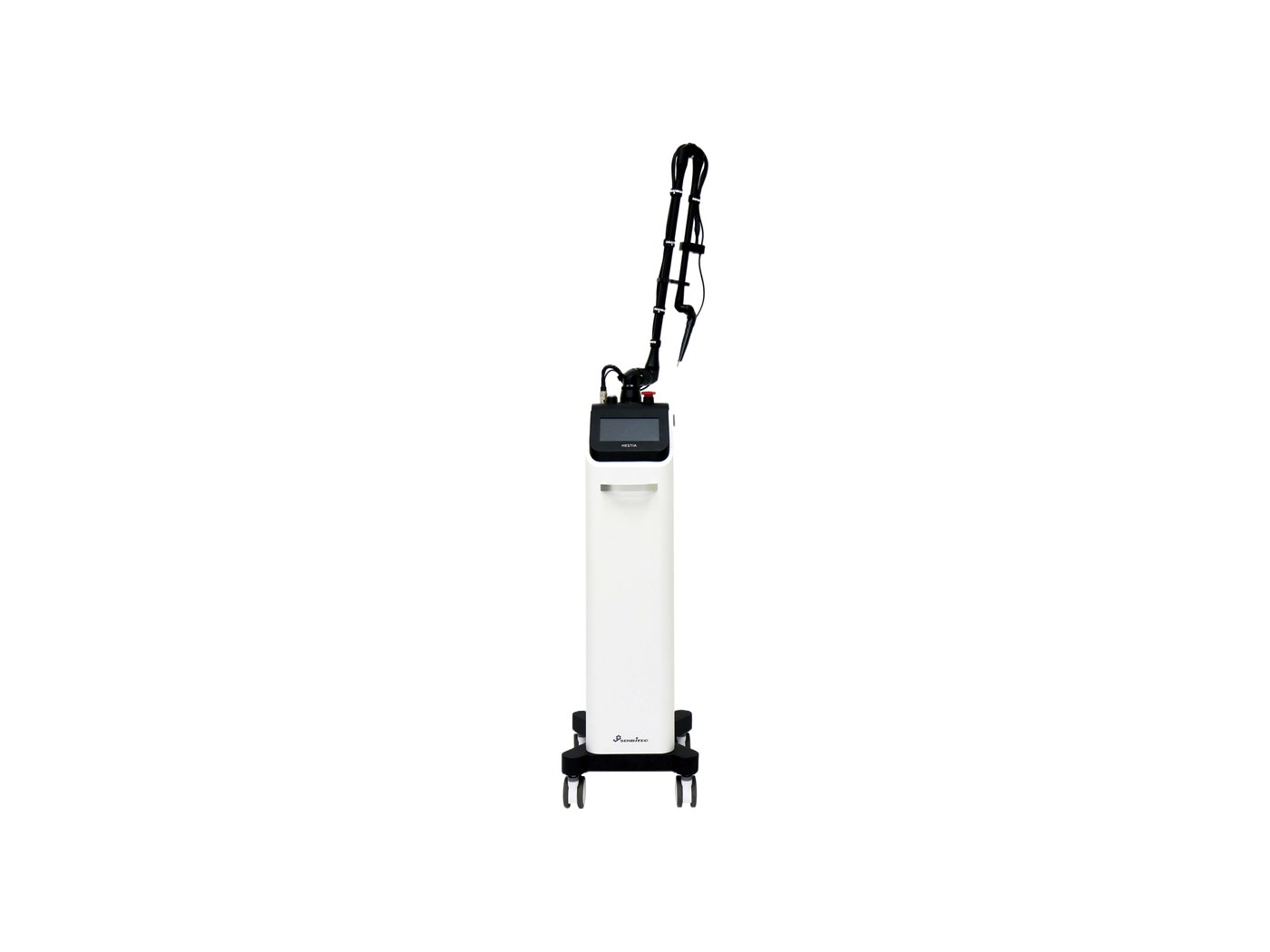
Seoul dermatologists typically complete extensive fellowship training beyond standard board certification, with many holding memberships in the Korean Association of Medical Specialists (KAMS). The emphasis on precision and customization means treatments are calibrated to individual skin types using advanced diagnostic imaging before laser application. Research published in Lasers in Surgery and Medicine demonstrates that fractional CO2 lasers show significant efficacy in treating photoaged skin with minimal downtime when properly administered.skin laser seoul.
MOHW-registered facilities must meet stringent safety protocols, equipment maintenance standards, and physician qualification requirements. This regulatory framework ensures international patients receive care meeting or exceeding international medical standards. The combination of advanced technology, specialized training, and competitive pricing positions Seoul as the optimal destination for laser treatments.
Top Laser Treatments Available in Seoul
Pico Laser Technology
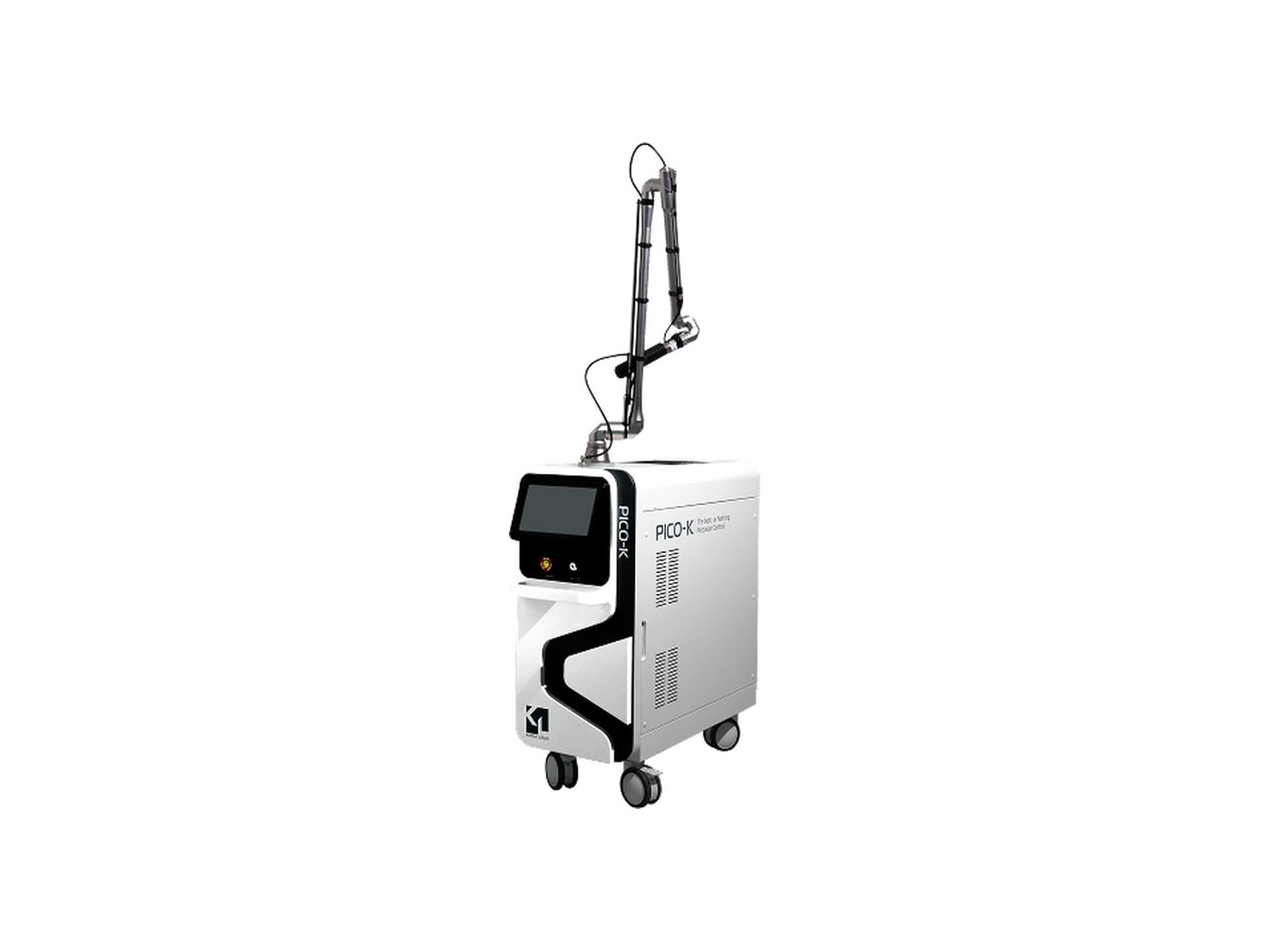
Picosecond lasers represent the latest advancement in pigmentation treatment, delivering ultra-short pulses that shatter melanin particles more effectively than traditional nanosecond lasers. Seoul clinics commonly use PicoSure, PicoWay, and Enlighten systems for treating melasma, age spots, tattoo removal, and overall skin tone improvement.
Treatment sessions typically last 15-20 minutes with minimal discomfort and virtually no downtime. Most pigmentation concerns require 3-5 sessions spaced four weeks apart. Korean dermatologists excel at adjusting wavelengths and spot sizes for Asian and Caucasian skin types, reducing hyperpigmentation risks that can occur with improper settings.
Fractional CO2 Laser Resurfacing
This ablative laser remains the gold standard for addressing deep wrinkles, acne scarring, and significant sun damage. Seoul clinics utilize the latest fractional CO2 systems that create microscopic treatment zones, preserving surrounding tissue for faster healing compared to traditional full-field resurfacing. Read about korean clinic reviews guide.
Expect 5-7 days of visible downtime with redness and peeling. Results include dramatic improvement in skin texture, reduced pore size, and stimulated collagen production lasting months after treatment. Korean protocols often combine CO2 resurfacing with growth factor serums and LED therapy to accelerate healing.
Nd:YAG Laser for Vascular Concerns
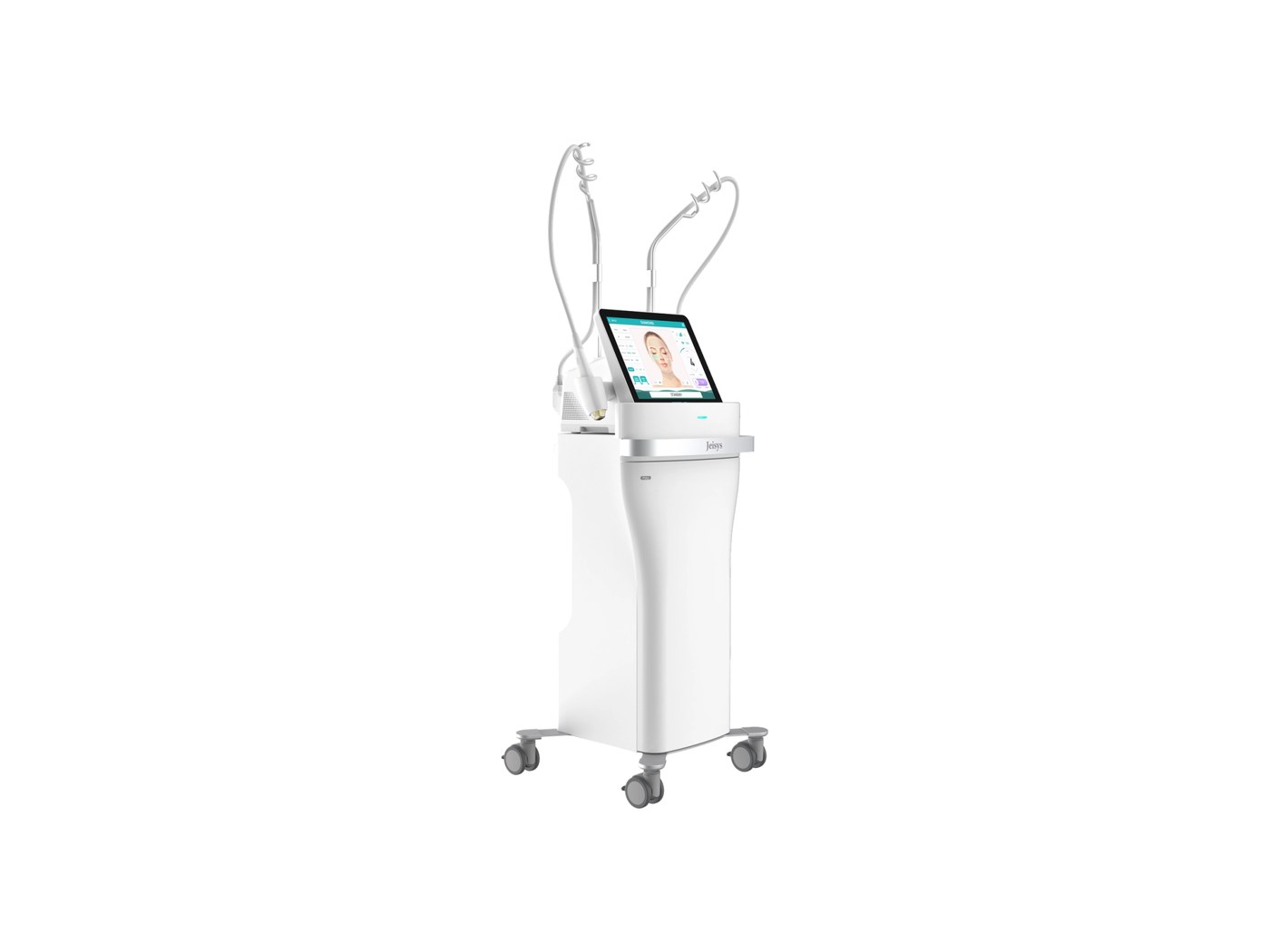
Long-pulsed Nd:YAG lasers effectively target spider veins, rosacea, and diffuse redness. Studies in Dermatologic Surgery confirm Nd:YAG wavelengths penetrate deeper skin layers while minimizing epidermal damage, making them suitable for all skin tones.
Sessions take 20-30 minutes with mild discomfort. Visible vessels typically clear within 2-3 treatments, while background redness improves gradually over 4-6 sessions. Seoul dermatologists combine vascular lasers with IPL therapy for comprehensive redness management. Read about best skin clinic seoul.
Laser Toning for Maintenance
Also called “laser facial” or Q-switched laser treatment, this gentle approach uses low-energy pulses to gradually reduce pigmentation and improve overall radiance. It’s become a staple maintenance treatment in Seoul, with minimal downtime making it popular among professionals.
Weekly or bi-weekly sessions for 5-10 treatments produce cumulative brightening effects. Korean clinics often package laser toning with vitamin infusions and specialty masks as comprehensive skin renewal programs.
Selecting the Right Clinic in Seoul
The Gangnam and Apgujeong neighborhoods house the highest concentration of premium dermatology clinics, though excellent facilities exist throughout Seoul. Prioritize clinics with board-certified dermatologists who have international training or publications demonstrating expertise in laser treatments.
Verify the clinic maintains current MOHW registration and uses authentic FDA-approved or CE-marked laser devices. Counterfeit or outdated equipment exists in budget facilities, creating unnecessary risks. Reputable clinics readily provide device serial numbers and certification documentation upon request. Read about about dermatologist seoul.
International patient services should include English-speaking coordinators, detailed pre-treatment consultations with the performing physician, and comprehensive aftercare instructions. Quality clinics perform skin analysis using diagnostic imaging systems like VISIA to document baseline conditions and track improvement.
Read verified patient reviews on multiple platforms, but recognize that results vary based on individual skin conditions. Look for consistent feedback about physician expertise, safety protocols, and realistic outcome expectations rather than just before-after photos.
Pricing should align with market standards—significantly lower costs often indicate compromised equipment or inexperienced operators. Premium clinics charge 200,000-800,000 KRW per session depending on treatment type and coverage area, still representing substantial savings versus Western prices.
Planning Your Treatment Journey
Pre-Treatment Preparation
Schedule virtual consultations 4-6 weeks before travel to confirm candidacy and plan treatment timing. Most laser procedures require avoiding sun exposure, retinoids, and certain medications for 2-4 weeks beforehand. Discontinue blood thinners and supplements like fish oil that increase bruising risk.
Book accommodations near your chosen clinic in Gangnam, Apgujeong, or Sinsa districts for convenient follow-up visits. Seoul’s excellent public transportation makes clinic access easy, but proximity reduces stress during recovery periods.
Treatment Timeline Considerations
Plan minimum 7-10 days in Seoul for treatments requiring downtime like fractional CO2 resurfacing. Non-ablative procedures like pico laser and laser toning allow immediate return to activities, though you may prefer spacing multiple sessions across a 2-3 week trip.
Avoid scheduling laser treatments within four weeks of important events or extensive sun exposure. Korean summer heat and humidity can complicate healing, making spring and autumn optimal seasons for intensive treatments.
Post-Treatment Care and Follow-Up
Korean clinics provide detailed aftercare products and instructions, often superior to Western protocols. Expect recommendations for specific cleansers, barrier repair creams, and sunscreens formulated for post-laser skin.
Schedule follow-up virtual consultations at 2-week and 3-month intervals to monitor healing and results. Many clinics maintain ongoing communication via WhatsApp or KakaoTalk for international patients. Establish care coordination with your home dermatologist for any concerns arising after returning home.
Strict sun protection remains critical for 3-6 months post-treatment to prevent pigmentation issues. Use SPF 50+ broad-spectrum sunscreen and physical protection regardless of weather conditions.
Frequently Asked Questions
How much do laser treatments cost in Seoul compared to Western countries?
Seoul laser treatments typically cost 40-60% less than equivalent procedures in the US, UK, or Australia. A pico laser session ranges from 200,000-400,000 KRW ($150-300 USD) versus $500-800 in Western markets, while fractional CO2 resurfacing costs 600,000-1,000,000 KRW ($450-750 USD) compared to $1,500-3,000 abroad.
Are Korean laser treatments safe for all skin types?
Yes, Seoul dermatologists have extensive experience treating diverse skin tones from very fair to deep complexions. They adjust laser parameters specifically for your Fitzpatrick skin type to minimize complications. Always disclose your complete medical history and previous reactions during consultation. Read about learn about korean dermatology clinic.
Can I combine multiple laser treatments during one visit?
Many clinics offer combination protocols targeting multiple concerns, such as pico laser for pigmentation with Nd:YAG for redness. However, intensive procedures like fractional CO2 resurfacing typically require solo focus. Your dermatologist will recommend optimal treatment sequencing based on your skin assessment.
Do I need a medical visa for laser treatments in Korea?
Most nationalities receive visa-free entry for 30-90 days sufficient for medical tourism purposes. Check specific requirements for your country, as some patients require a medical tourism visa arranged through their clinic with supporting documentation from the treating facility.
What happens if complications arise after returning home?
Reputable Seoul clinics provide detailed discharge instructions and maintain communication channels for post-treatment concerns. Serious complications are rare with proper clinic selection, but ensure you have documentation of treatments received and emergency contact information. Many clinics coordinate with international dermatologists if issues require local intervention. Read about top korean clinic reviews.